Grouping keywords correctly is one of the most powerful yet underrated strategies in Amazon SEO and PPC. Most sellers focus on collecting keywords but fail to organize them properly, which leads to poor targeting, wasted ad spend, and low conversion rates.
If you want to master how to group amazon keywords, you must understand that keyword grouping is not just organization—it is a strategy to improve relevance, increase conversions, and boost rankings.
What is Amazon Keyword Grouping?
Amazon keyword grouping is the process of organizing keywords into structured clusters based on relevance, search intent, and performance. Instead of targeting random keywords, grouping helps you create focused campaigns and optimized listings.
A strong amazon keyword grouping strategy improves:
- Keyword relevance
- Search visibility
- Conversion rate
- PPC performance
Why Keyword Grouping is Important for Amazon SEO
Amazon’s A9 algorithm prioritizes listings that are relevant and convert well. When your keywords are grouped properly, your listing becomes easier for Amazon to understand.
This leads to:
- Higher keyword ranking
- Better CTR
- Improved conversions
- Lower ACOS
Without proper grouping, your listing becomes scattered and less effective.
Types of Amazon Keywords You Must Group
To build an effective strategy, you need to understand different keyword types.
Primary keywords are your main high-volume keywords and should be used in titles. Secondary keywords support your main keywords and are used in bullet points and descriptions. Long-tail keywords are more specific and often have higher conversion rates. Branded keywords include your brand or competitor names, while buyer intent keywords like “best,” “buy,” or “premium” indicate strong purchase intent.
To build an effective strategy, you need to first understand different keyword types.
Primary Keywords
These are your main keywords with high search volume and strong relevance. They should be used in your title and core content.
Secondary Keywords
These support your primary keywords and help expand reach. They are typically used in bullet points and descriptions.
Long-Tail Keywords
Long-tail keywords are more specific and have lower competition. They often convert better because they reflect clear buying intent.
Branded Keywords
These include your brand name or competitor brand names and are useful for targeted campaigns.
Buyer Intent Keywords
Keywords like “buy,” “best,” “premium,” or “top rated” indicate high purchase intent and should be prioritized.
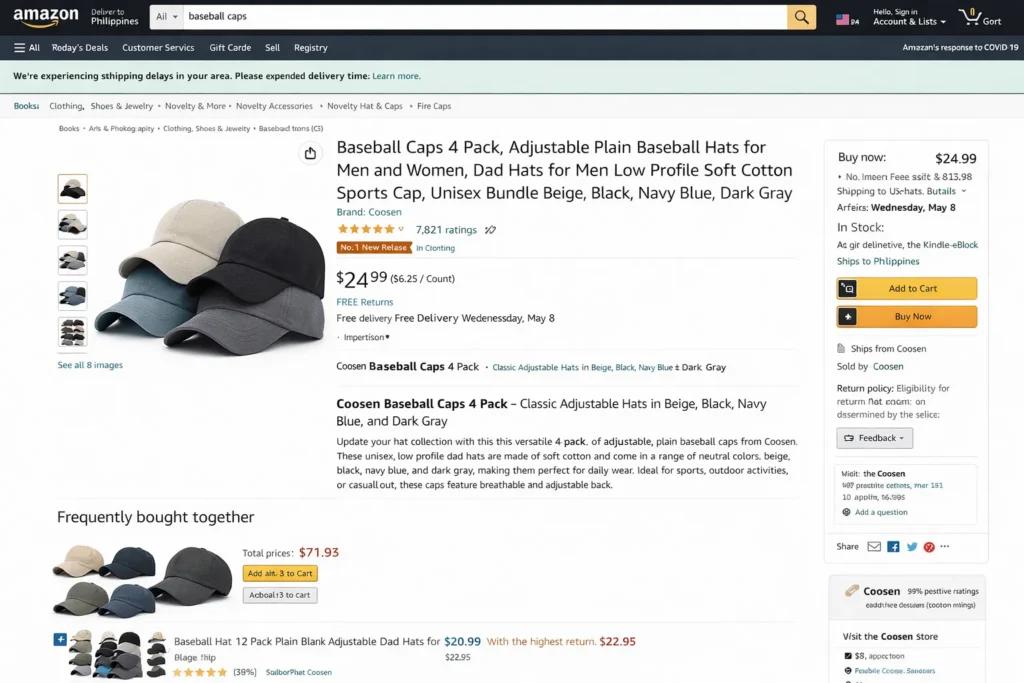
How to Group Amazon Keywords (Step-by-Step)
The first step is collecting keywords from Amazon suggestions, competitor listings, and keyword tools. Once you have a list, remove irrelevant or duplicate keywords to keep your data clean.
Next, group keywords based on relevance. Similar keywords should be placed together in one cluster so they target the same intent. After that, group keywords by search intent—whether the user is browsing, comparing, or ready to buy.
Finally, assign keyword groups to different parts of your listing. Primary keywords go in the title, secondary keywords in bullet points, and additional keywords in backend fields.
Step 1: Collect All Keywords
Start by gathering keywords from:
- Amazon search suggestions
- Competitor listings
- Keyword tools
The goal is to build a large keyword list before grouping.
Step 2: Remove Irrelevant Keywords
Filter out:
- Unrelated keywords
- Low-intent terms
- Duplicate variations
This ensures your groups remain clean and focused.
Step 3: Group by Relevance
Now group keywords based on similarity.
Example:
Group 1: “water bottle,” “steel bottle,” “metal bottle”
Group 2: “gym water bottle,” “sports bottle,” “fitness bottle”
Each group should represent a clear theme.
Step 4: Group by Search Intent
Separate keywords based on intent:
- Informational (research-based)
- Comparison (evaluating options)
- Transactional (ready to buy)
This helps improve targeting and conversions.
Step 5: Assign Keywords to Listing Sections
Each group should be placed strategically:
- Title → Primary keywords
- Bullet points → Secondary keywords
- Description → Supporting keywords
- Backend → Hidden keywords
This ensures full optimization.
Keyword Selection & Grouping Strategy (SEO + PPC Optimization)
When learning how to group amazon keywords, it’s equally important to understand how many keywords to include. Many sellers make the mistake of adding too many keywords, thinking it will increase traffic, but this often reduces performance.
Amazon allows a large number of keywords per campaign, but using too many makes it difficult to track performance and control spending . A focused amazon keyword grouping strategy ensures better control, higher relevance, and improved results.
Limiting keywords helps you manage campaigns effectively, improve top-of-search placement, and simplify optimization. Instead of using hundreds of keywords, focus on a smaller number of high-quality keywords that are directly relevant to your product.
Finding the right balance is key. In most cases, using 5–20 closely related keywords per group works best. This allows better control over bids and performance tracking while maintaining strong relevance.
Grouping keywords by theme further improves performance. Each group should represent a specific category or intent, making campaigns more structured and easier to optimize.
Amazon Keyword Grouping for PPC Campaigns
Keyword grouping is critical for PPC success. Each campaign should target a specific type of keyword, such as exact match for high-intent keywords, phrase match for moderate intent, and broad match for discovery.
Ad groups should contain closely related keywords so Amazon can better understand relevance. This improves ad performance, increases CTR, and reduces wasted spend.
Advanced Amazon Keyword Grouping Strategy
Advanced strategies include grouping keywords based on performance. High-performing keywords should be scaled, while low-performing ones should be removed or optimized.
Keyword isolation is another powerful strategy where top-performing keywords are placed in separate campaigns for better control and scaling.
Negative keyword grouping helps eliminate irrelevant traffic and improve targeting. Funnel-based grouping aligns keywords with customer journey stages, improving conversions.
Common Mistakes in Keyword Grouping
Many sellers make mistakes such as adding too many keywords, mixing unrelated keywords, ignoring search intent, and not updating keyword groups regularly.
These mistakes reduce performance and increase wasted spend.
- Mixing unrelated keywords
- Overloading single campaigns
- Ignoring search intent
- Not updating keyword groups
- Skipping negative keywords
Best Tools for Amazon Keyword Grouping
Popular tools include Helium 10, Jungle Scout, SellerApp, and DataDive. These tools help in keyword research, grouping, and performance tracking.
You can use tools like:
- Helium 10
- Jungle Scout
- SellerApp
- DataDive
These help in keyword research and grouping.
How Keyword Grouping Improves Conversion Rate
Proper keyword grouping improves relevance, which increases CTR and conversion rate. When customers find exactly what they are searching for, they are more likely to purchase.
Proper keyword grouping:
- Matches user intent
- Improves listing relevance
- Increases CTR
- Boosts conversion rate
When customers see exactly what they searched for, they are more likely to buy.
FAQs: How to Group Amazon Keywords
What is Amazon keyword grouping?
Amazon keyword grouping is the process of organizing related keywords into structured clusters based on relevance, search intent, and performance. Instead of targeting random keywords, grouping helps create focused listings and PPC campaigns, improving targeting, keyword relevance, and overall performance. A strong amazon keyword grouping strategy ensures better visibility and higher conversions.
Why is keyword grouping important?
Keyword grouping is important because it improves ranking, relevance, and conversion rate. When keywords are properly grouped, Amazon’s algorithm can better understand your product, which helps improve search visibility and CTR. It also makes PPC campaigns more efficient by reducing wasted spend and increasing targeting accuracy.
How many keywords should be in one group?
Ideally, each keyword group should contain 5–20 closely related keywords. This range allows you to maintain better control over performance, bidding, and optimization. Too many keywords can reduce relevance and make campaigns difficult to manage, while too few may limit reach.
Can keyword grouping improve PPC performance?
Yes, keyword grouping significantly improves PPC performance by increasing ad relevance and targeting accuracy. When keywords are grouped correctly, ads match user intent more closely, which leads to higher CTR, better conversion rates, and lower ACOS. It also makes campaign optimization easier and more effective.
How often should I update keyword groups?
Keyword groups should be updated regularly based on performance data. Reviewing your keyword groups weekly or monthly helps identify high-performing keywords to scale and low-performing ones to remove or optimize. Continuous updates ensure your amazon keyword grouping strategy stays aligned with market trends and competition.
Conclusion
Mastering how to group amazon keywords is essential for building a successful Amazon strategy. By focusing on relevance, intent, and structured grouping, you can improve rankings, increase conversions, and scale your business effectively.
Keyword grouping is not just organization—it is a growth strategy that drives long-term success.