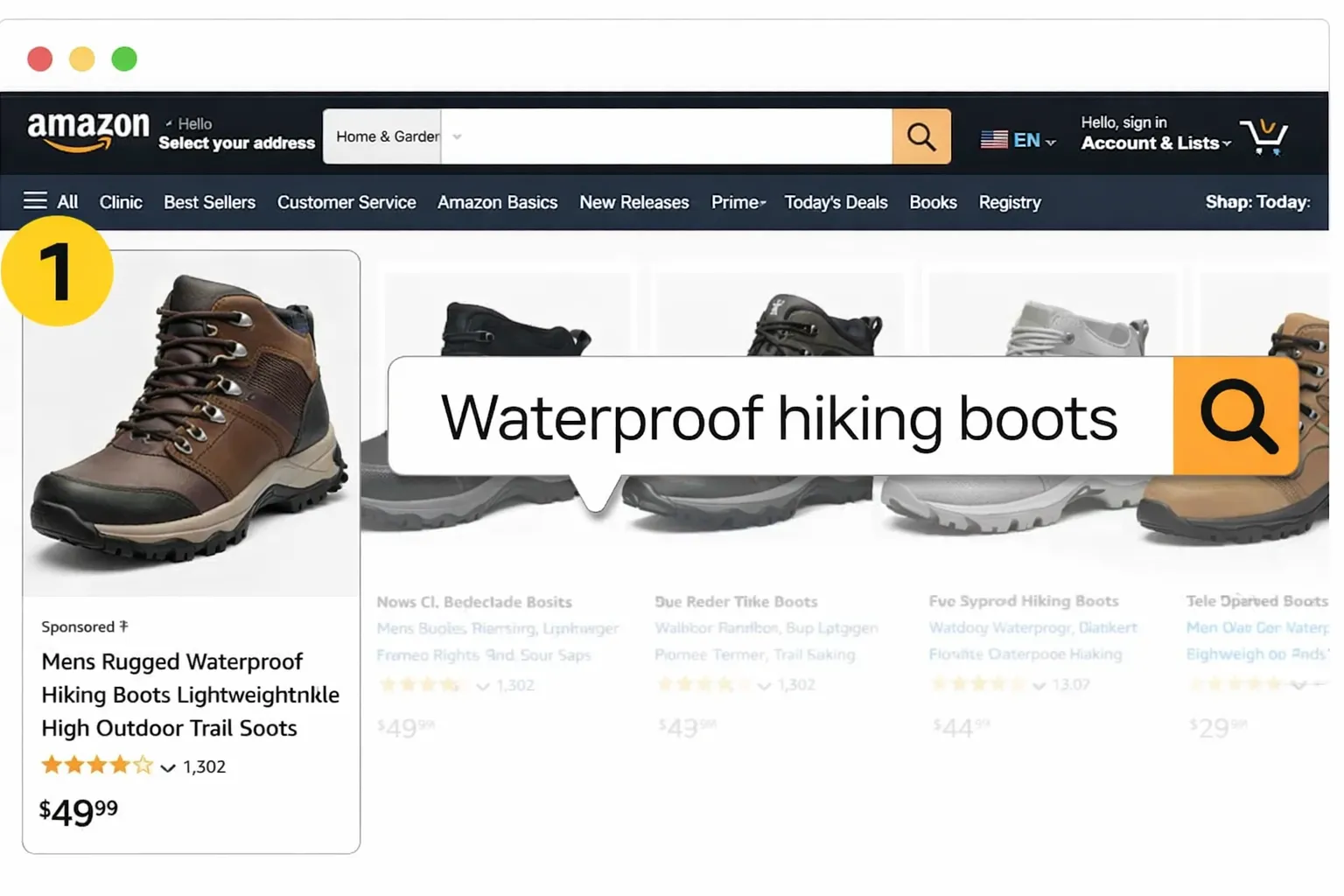
Many sellers struggle or fail on Amazon UK not because the marketplace doesn’t work, but because of avoidable mistakes made during setup, launch, and scaling. Below is a detailed, SEO-friendly breakdown of the most common Amazon UK selling mistakes, along with practical solutions to help sellers build a profitable, compliant, and scalable Amazon business.
1. Poor Amazon Seller Account Setup
Mistake:
New sellers rush through Amazon seller account creation without correctly setting up Amazon Seller Central UK, tax information, return policies, or account permissions. This often leads to verification delays, payment holds, or account health issues.
Solution:
Set up your Amazon UK seller account properly from day one. Complete all business details, verify identity, configure tax and VAT settings, and review account health dashboards regularly. A correctly structured Seller Central account prevents future compliance problems.
2. Ignoring Amazon UK Policies & Compliance Rules
Mistake:
Many sellers fail to read or follow Amazon seller policies, especially related to dropshipping, restricted products, intellectual property, and customer service standards. Policy violations can result in listing removals or account suspension.
Solution:
Follow a compliance-first approach. Understand Amazon UK selling policies, FBA requirements, and dropshipping rules. Always be the seller of record, provide accurate product information, and ensure packaging, invoices, and branding meet Amazon standards.
3. Choosing the Wrong Products or Categories
Mistake:
New sellers often select products with high competition, low margins, or restricted categories without proper research. This results in low visibility, high advertising costs, and poor profitability.
Solution:
Conduct detailed Amazon UK product research before listing. Analyse demand, competition, pricing, fees, and category approval requirements. Choose products with sustainable margins and manageable competition to increase your chances of success.
4. Incorrect Pricing & Poor Cost Calculation
Mistake:
Many sellers price products too low to compete or too high to convert, without factoring in Amazon seller fees, Amazon FBA fees, storage costs, and advertising spend. This leads to losses even when sales increase.
Solution:
Use Amazon fee calculators and profit analysis tools to calculate accurate pricing. Include referral fees, fulfilment costs, VAT, and PPC spend to determine profitable price points while remaining competitive on Amazon UK.
5. Weak Product Listings & Poor SEO Optimisation
Mistake:
Unoptimised product listings with low-quality titles, generic descriptions, poor images, and missing keywords fail to rank and convert. Many sellers underestimate the importance of Amazon SEO.
Solution:
Optimise listings with keyword-rich titles, bullet points, descriptions, and backend search terms. Use high-quality images and conversion-focused content targeting keywords like sell on Amazon UK, Amazon FBA UK, and Amazon UK seller.
6. Not Using Amazon Advertising UK Effectively
Mistake:
Some sellers avoid Amazon PPC entirely, while others overspend without a strategy. Poorly structured campaigns result in wasted ad spend and low return on investment.
Solution:
Use Amazon advertising UK strategically, especially during product launches. Start with Sponsored Products, track performance data, refine keyword targeting, and optimise bids to improve ROAS while supporting organic ranking growth.
7. Ignoring Inventory Planning & Stock Management
Mistake:
Running out of stock or overstocking inventory is a common issue for Amazon UK sellers. Stockouts harm ranking, while excess inventory increases storage fees and reduces profitability.
Solution:
Monitor inventory levels regularly using Seller Central tools. Plan restocks based on sales velocity, lead times, and seasonal demand. Balanced inventory management supports consistent sales and ranking stability.
8. Poor Customer Service & Review Management
Mistake:
Slow responses to customer messages, ignoring returns, or failing to manage feedback can damage seller metrics and brand reputation on Amazon UK.
Solution:
Maintain fast, professional customer service and monitor feedback closely. Deliver quality products, respond to customer queries promptly, and follow Amazon’s communication guidelines to earn positive reviews and build trust.
9. Trying to Scale Too Fast Without Data
Mistake:
New sellers often expand too quickly—launching multiple products, increasing ad spend, or entering new marketplaces without analysing performance data. This leads to cash flow problems and operational issues.
Solution:
Scale gradually using data-driven decisions. Analyse sales reports, advertising performance, and profitability metrics before expanding product lines or selling in Amazon Europe.
10. Not Building a Long-Term Amazon Strategy
Mistake:
Many sellers focus only on short-term sales instead of building a sustainable Amazon UK business. This includes neglecting branding, optimisation, and compliance over time.
Solution:
Adopt a long-term growth strategy that includes listing optimisation, brand building, Amazon Brand Registry UK, advertising refinement, and marketplace expansion. Long-term planning leads to stable and scalable success.