

Home » Amazon PPC
Amazon PPC (Pay-Per-Click) is Amazon’s internal keyword-based auction system that allows sellers and brands to gain visibility for their products inside Amazon search results, product detail pages, category pages, and audience placements. Amazon PPC works on a cost-per-click model where advertisers only pay when a shopper clicks on their ad.
Amazon PPC plays a direct role in product visibility, keyword ranking, sales velocity, and organic growth. In competitive Amazon marketplaces, Amazon PPC is no longer optional—it is a foundational mechanism of discovery and ranking.
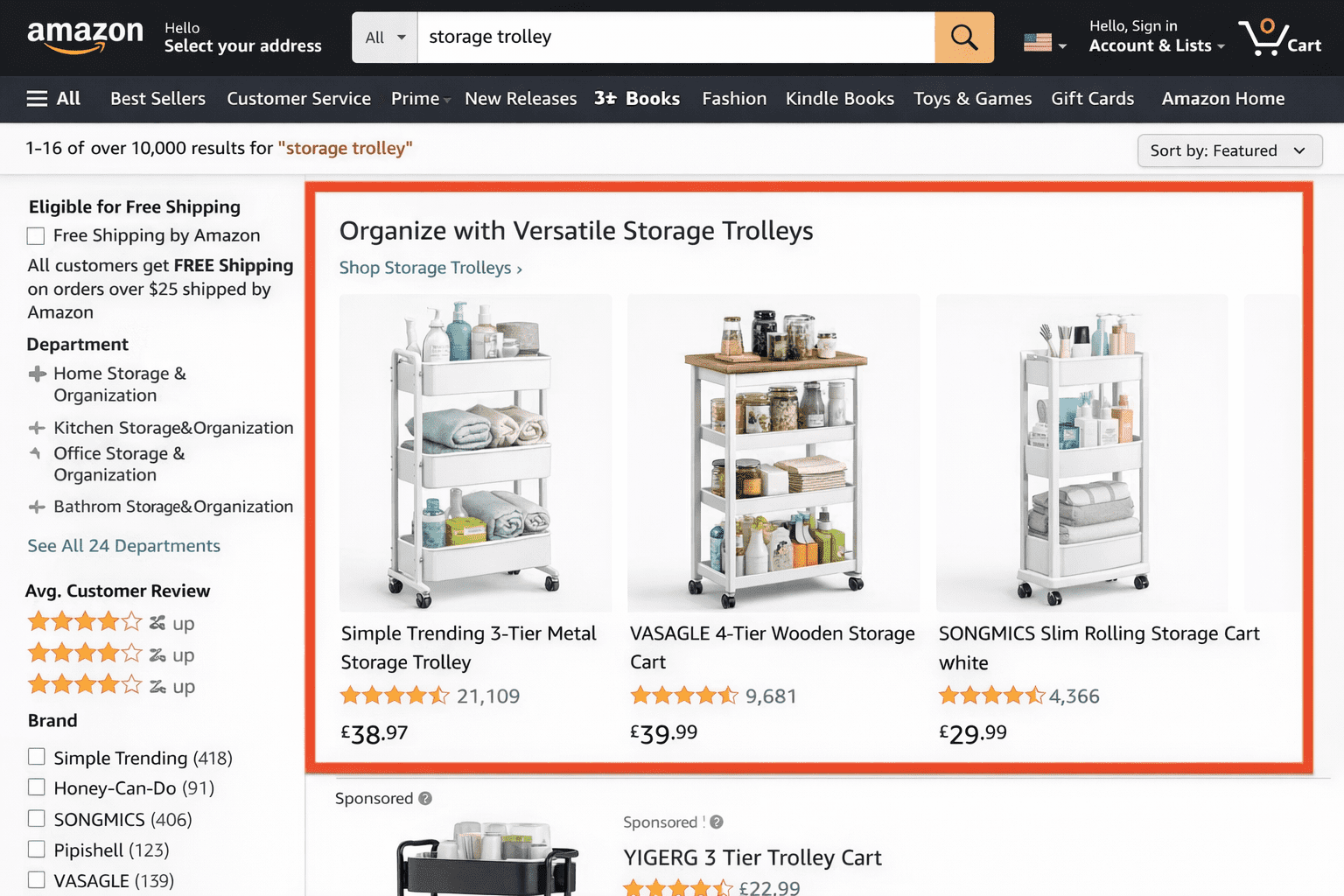
Amazon PPC operates through a real-time bidding system where products compete for placements based on keyword relevance, bid amount, historical performance, and conversion probability. When a customer searches for a keyword, Amazon evaluates multiple factors before deciding which products appear as sponsored results.
Amazon PPC is tightly connected to:
Buyer behavior signals
Conversion rate
Listing relevance
Historical sales data
Because of this, Amazon PPC directly influences Amazon’s A9 and A10 algorithms
Keywords are the foundation of Amazon PPC. Amazon PPC keywords fall into two major categories:
Short-tail keywords have high search volume and high competition.
Examples include:
Amazon PPC
Amazon pay per click
Amazon PPC keywords
These keywords drive traffic but require strong relevance and conversion data.
Long-tail keywords have lower search volume but higher buyer intent and conversion rates.
Examples include:
Long-tail keywords are critical for profitable Amazon PPC performance.
Amazon PPC allows three keyword match types, each serving a different purpose:
Broad match keywords trigger ads for related and expanded search terms. Broad match is used for keyword discovery and search term mining.
Phrase match keywords show ads when the search query contains the keyword phrase in order. Phrase match balances reach and control.
Exact match keywords trigger ads only for the exact search term or close variants. Exact match keywords are used for high-conversion, high-intent searches.
Amazon PPC does not function solely on the keywords added to campaigns. Instead, it operates on search terms, which are the exact words and phrases shoppers type into Amazon’s search bar. A single Amazon PPC keyword—especially when using broad or phrase match—can trigger dozens or even hundreds of different search terms, but typically only a small percentage of those search terms lead to conversions and sales.
Understanding Amazon PPC search term logic is essential for building profitable campaigns, improving relevance, and strengthening long-term ranking performance.
Reducing wasted spend: Identifies non-converting search terms and prevents budget loss on low-intent traffic.
Improving relevance: Aligns ads with high-intent shopper queries to increase accuracy and engagement.
Increasing conversion rate: Prioritises search terms that reflect strong buying intent and product fit.
Lowering ACoS: Shifts spend toward profitable search terms to improve cost efficiency.
Strengthening keyword ranking signals: Reinforces keyword–product association through consistent PPC-driven sales.
CPC is the amount paid when a shopper clicks on an ad. CPC varies by: Keyword competition Category demand Seasonality Conversion history
ACoS measures ad spend relative to ad-attributed sales. Lower ACoS generally indicates better PPC efficiency.
TACoS measures ad spend against total revenue, including organic sales. TACoS is critical for evaluating long-term Amazon PPC impact.
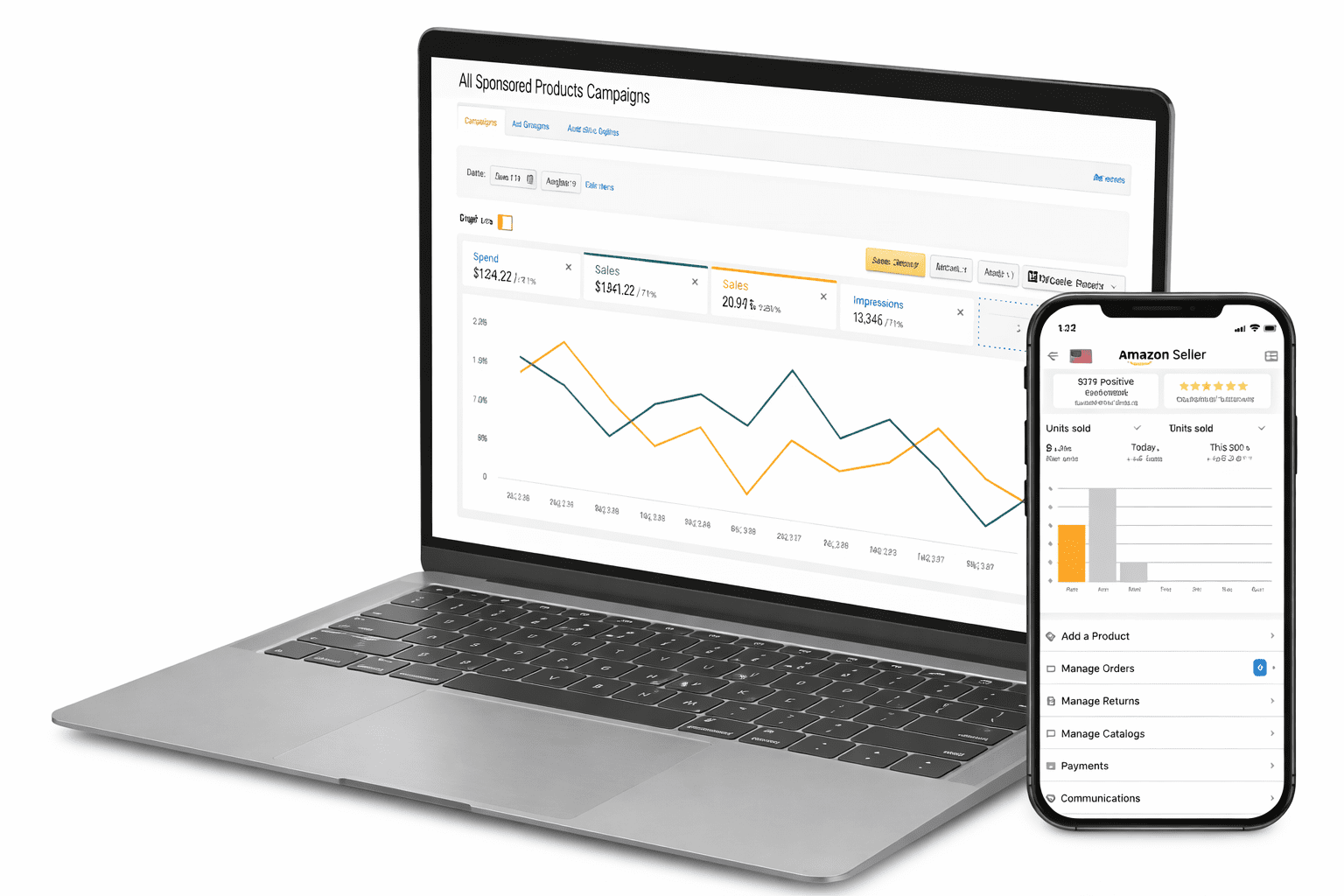
Problem: High CPC (Cost Per Click)
Solution: High CPC is often caused by intense competition and low relevance. Improving keyword targeting, focusing on high-intent long-tail search terms, and increasing listing relevance can help reduce bidding pressure and lower CPC over time.
Problem: Poor Keyword Relevance
Solution: Poor relevance occurs when keywords do not match shopper intent. Analysing Amazon PPC search term data and aligning keywords with actual buyer queries improves ad relevance, click-through rate, and overall performance.
Problem: Low Conversion Rates
Solution: Low conversion rates usually indicate a mismatch between traffic and product offering. Targeting high-intent search terms and ensuring strong product listings with clear images, pricing, and content helps improve conversion efficiency.
Problem: Inefficient Search Terms
Solution: Inefficient search terms consume budget without driving sales. Regular search term analysis helps identify and control these terms, ensuring spend is focused on queries that generate conversions and revenue.
Problem: Ranking Stagnation Despite Ad Spend
Solution: Ranking stagnation occurs when ad traffic does not convert consistently. Driving sales from relevant, high-performing search terms strengthens keyword association and improves organic ranking signals.
Rather than driving clicks alone, EcomRanker focuses on profitable Amazon PPC performance by lowering ACoS, improving ROAS, and directing spend toward high-converting search terms.
Our Amazon PPC strategies are designed to scale across new product launches, mature listings, and competitive categories, while maintaining control over cost, relevance, and ranking signals.
EcomRanker connects Amazon PPC with Amazon SEO, ensuring paid campaigns reinforce organic keyword rankings, listing relevance, and long-term discoverability.
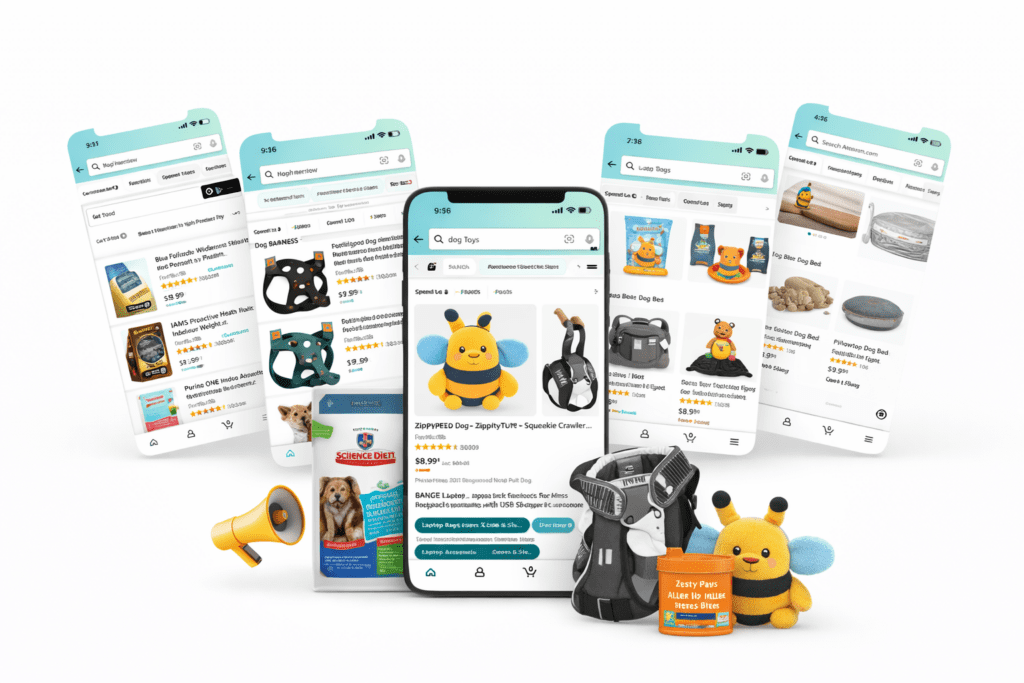
Choosing the right Amazon PPC partner is critical in today’s highly competitive marketplace. EcomRanker is built for brands and sellers who want data-driven Amazon PPC strategies, stronger keyword performance, and sustainable growth aligned with Amazon’s algorithm.
EcomRanker focuses on Amazon PPC search term data, not just surface-level keywords. By analysing real shopper queries, we help improve relevance, reduce wasted spend, and strengthen keyword ranking signals that support both paid and organic growth.
Our approach is grounded in high-search-volume Amazon PPC keywords and long-tail buyer intent keywords. We prioritise relevance, conversion potential, and cost efficiency to improve CTR, conversion rate, ACoS, and TACoS over time.
EcomRanker builds Amazon PPC frameworks that align with Amazon’s A9 and A10 ranking systems, ensuring PPC activity supports keyword indexing, ranking stability, and long-term marketplace visibility.
Every Amazon PPC decision is backed by performance data, including search term analysis, placement performance, CPC trends, and conversion metrics. This ensures consistent optimisation and measurable improvement in campaign efficiency.
Identify high-search-volume and high-intent Amazon PPC keywords by analysing real shopper search terms.
Organise Amazon PPC campaigns by intent, match type, and product relevance to improve control and performance.
Adjust bids and budgets based on CPC, conversion rate, and profitability to maximise efficiency.
Eliminate low-performing search terms and focus spend on queries that drive conversions and sales.
Track key Amazon PPC metrics such as ACoS, TACoS, ROAS, and conversion trends for consistent improvement.
Use high-converting search terms to strengthen keyword ranking signals and support long-term organic growth.
Learn how keyword targeting, match types, bidding logic, and search term data work together inside Amazon PPC. This insight helps you make better decisions and scale sustainably.
Amazon PPC (Pay-Per-Click) is Amazon’s internal advertising system where products appear as sponsored listings in search results and product pages. Sellers pay only when a shopper clicks the ad. Amazon PPC helps increase product visibility, keyword ranking, and sales velocity within the Amazon marketplace.
Amazon PPC works through a keyword and relevance-based auction. When a shopper searches for a term, Amazon evaluates keyword relevance, bid amount, conversion probability, and historical performance to decide which products appear as sponsored results and in what position.
Amazon PPC directly impacts keyword indexing and organic ranking. When a product generates consistent sales through PPC for a keyword, Amazon associates that product with the search term, helping improve organic ranking and long-term visibility.
Amazon PPC keywords are search terms that shoppers use to find products on Amazon. These include high-volume short-tail keywords and high-intent long-tail keywords. Choosing the right Amazon PPC keywords improves ad relevance, conversion rate, and cost efficiency.
Keywords are the targets set inside Amazon PPC campaigns, while search terms are the actual phrases shoppers type into Amazon. One keyword can generate multiple search terms. Search term analysis is critical for improving Amazon PPC performance.
Amazon PPC supports three match types:
Broad match for keyword discovery
Phrase match for controlled reach
Exact match for high-intent searches
Each match type serves a different role in keyword targeting and optimisation.
ACoS (Advertising Cost of Sale) measures how much ad spend is required to generate sales through Amazon PPC. It is calculated by dividing ad spend by ad-attributed sales. Lower ACoS generally indicates better PPC efficiency.
TACoS (Total Advertising Cost of Sale) measures ad spend against total revenue, including organic sales. TACoS helps evaluate how Amazon PPC contributes to long-term organic growth, not just paid performance.
Amazon PPC cost depends on keyword competition, category demand, seasonality, and conversion rate. Cost is based on CPC (cost per click), which varies widely across niches. There is no fixed Amazon PPC cost—performance depends on strategy and relevance.
Yes. Amazon PPC is essential for new product launches because new listings have no sales history. PPC helps trigger keyword indexing, generate early sales velocity, and provide Amazon with performance data needed for ranking decisions.
Amazon PPC can drive traffic, but performance is limited without an optimized product listing. Conversion rate, images, pricing, reviews, and content quality directly affect CPC, placement, and overall PPC efficiency.
Amazon PPC ads can appear in multiple placements, including top of search, rest of search, product detail pages, category pages, and audience placements. Each placement behaves differently in terms of cost and conversion rate.
Initial data from Amazon PPC can appear within days, but meaningful optimisation and ranking impact usually take several weeks. Amazon PPC performance improves over time as more conversion and search term data is collected.
Yes. Amazon PPC behaves differently across regions such as Amazon US, UK, EU, and India due to differences in buyer behavior, keyword language patterns, competition levels, and CPC ranges.
No. Amazon PPC is not just for paid sales. It also supports organic ranking, keyword discovery, brand visibility, and long-term growth by feeding Amazon’s algorithm with performance and relevance signals.