
For Amazon sellers, one question comes up repeatedly:
Does Amazon advertising actually work?
After more than 10 years of working with Amazon brands and managing advertising campaigns, the short answer is yes — Amazon advertising can be extremely effective. However, like any marketing channel, it only works when it is implemented with the right strategy.
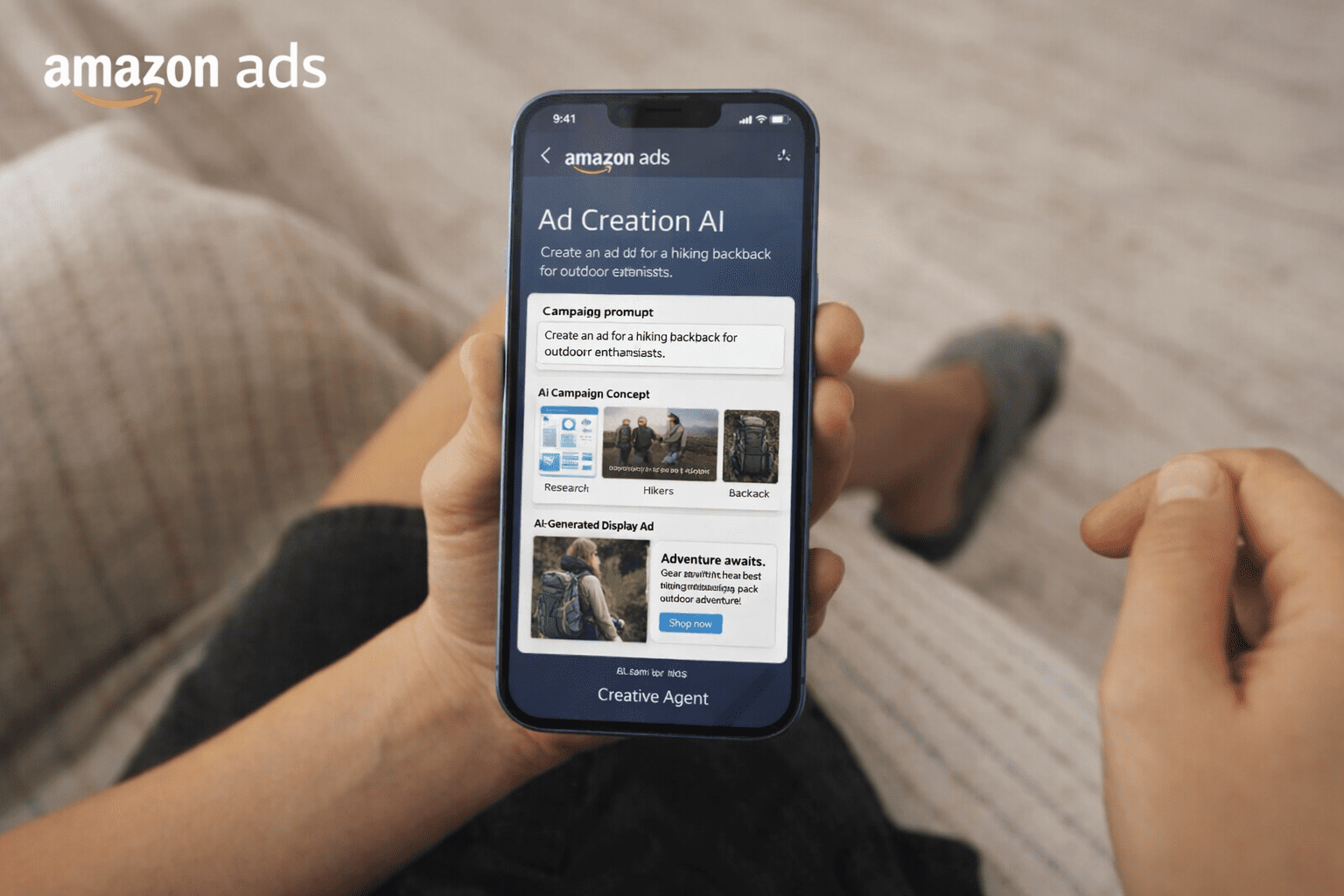
Amazon’s advertising platform has evolved significantly over the last few years. In 2025 alone, Amazon introduced several new capabilities including AI-powered campaign automation, advanced targeting signals, and deeper analytics integrations through Amazon Marketing Cloud.
These improvements have made Amazon advertising more accessible than ever before. Sellers no longer need massive budgets or large marketing teams to run effective campaigns.
Still, many sellers are unsure whether Amazon ads are worth the investment or if other platforms like Google Ads or Facebook Ads offer better returns.
In this guide, we’ll explain how Amazon advertising works, how it compares to other ad platforms, and how sellers can use it effectively to grow their business.
If you’re new to Amazon selling strategies, you can explore more resources on the EcomRanker :
What is Amazon PPC Advertising?
Amazon advertising primarily operates on a Pay-Per-Click (PPC) model.
This means sellers only pay when a shopper clicks on their advertisement.
Amazon PPC ads appear in several places across the marketplace, including:
- Amazon search results
- Product detail pages
- Category listings
- Amazon storefront placements
These ads allow sellers to promote their products directly to shoppers who are actively searching for similar items.
Because Amazon shoppers usually have high purchase intent, PPC advertising often produces stronger conversion rates compared to other advertising platforms.
To understand how advertising works alongside Amazon search rankings, you can read our guide on the Amazon A9 algorithm:
How Amazon PPC Bidding Works
Amazon PPC uses an auction-based bidding system.
Sellers choose keywords they want their products to appear for and then place bids for those keywords.
When a customer searches for that keyword, Amazon’s algorithm evaluates several factors to decide which ads appear.
These include:
- Bid amount
- Product relevance
- Listing quality
- Historical performance
Interestingly, the highest bid does not always win.
Amazon prioritizes ads that are most relevant to the shopper, which means well-optimized listings can outperform competitors even with lower bids.
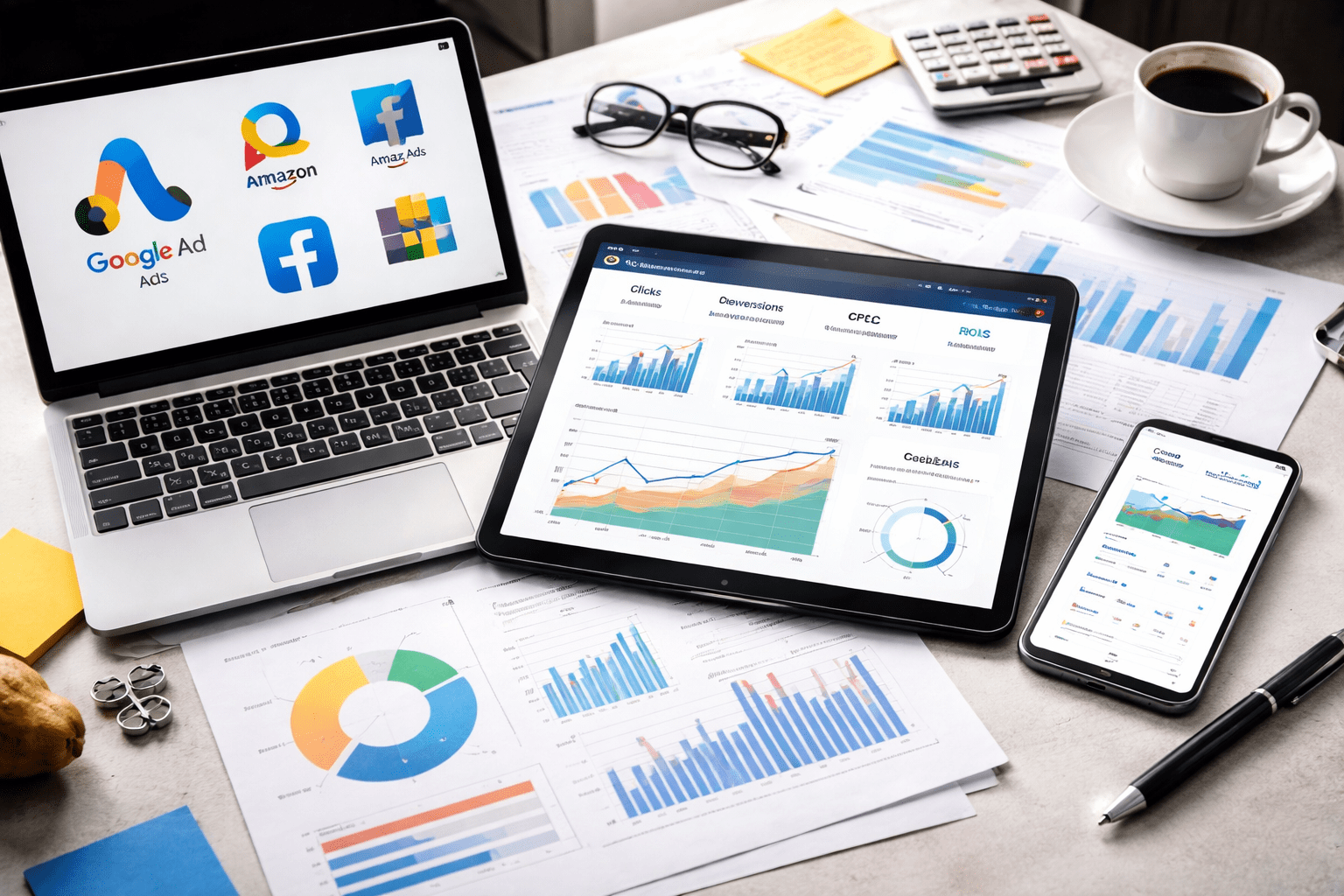
Amazon Advertising vs Google Ads vs Facebook Ads
Amazon isn’t the only advertising platform available to eCommerce brands.
Most online businesses also use platforms like Google Ads and Facebook Ads to generate traffic.
However, these platforms serve different purposes within a marketing strategy.
Google Ads
Google Ads operates on a search-based advertising model similar to Amazon PPC.
Advertisers bid on keywords and display ads when users search for related topics.
The key difference is user intent.
Many Google users are still researching products rather than preparing to buy.
Average Google PPC costs range around $1 to $2 per click, although competitive industries can see significantly higher costs.
Facebook Ads
Facebook advertising focuses heavily on audience targeting and brand awareness.
Instead of searching for products, users are typically browsing social content.
While Facebook ads can generate traffic and awareness, the conversion rate for direct purchases is often lower than Amazon PPC.
Average Facebook ad costs typically range around $0.97 per click or $7 per thousand impressions.
Amazon Ads
Amazon advertising is different because users are already on the platform to buy products.
This means the purchase intent is significantly higher.
Average Amazon PPC costs typically range between $0.79 and $1.20 per click, depending on the product category and keyword competition.
Because shoppers already have payment information saved and are actively shopping, conversion rates tend to be higher than other platforms.
Why Amazon Ads Often Produce Better ROI
The biggest advantage of Amazon advertising is buyer intent.
When someone searches on Amazon, they usually intend to purchase a product.
This is very different from social platforms or search engines where users may simply be exploring information.
Because of this difference, Amazon advertising campaigns often generate stronger return on investment.
Many brands report 20–30% higher conversion rates compared to other digital advertising channels.
The Three Main Types of Amazon Ads
Amazon offers several advertising formats, but most sellers rely on three primary ad types.
Sponsored Products
Sponsored Products are the most commonly used Amazon ad format.
These ads promote individual product listings and appear directly within Amazon search results and product pages.
Benefits include:
- Direct traffic to product pages
- High purchase intent traffic
- Easy campaign setup
- Strong conversion potential
Most Amazon sellers begin their advertising strategy with Sponsored Products.
Sponsored Brands
Sponsored Brand ads appear at the top of Amazon search results.
They include:
- Brand logo
- Custom headline
- Multiple product listings
These ads are designed to increase brand awareness and product discovery.
Sponsored Brands are particularly useful for sellers with multiple products in the same category.
Sponsored Display Ads
Sponsored Display ads focus on audience targeting rather than keywords.
These ads allow sellers to reach customers who have viewed similar products or visited specific product pages.
They are commonly used for:
- Retargeting shoppers
- Competing with similar products
- Expanding audience reach
Amazon DSP Advertising
For larger brands, Amazon also offers Demand Side Platform (DSP) advertising.
DSP ads allow advertisers to target audiences both on Amazon and across external websites using Amazon’s first-party shopper data.
DSP campaigns can include:
- Retargeting previous visitors
- Audience behavior targeting
- Lifestyle and demographic targeting
DSP advertising is typically used by larger brands or agencies due to higher budget requirements.
How Much Should Sellers Spend on Amazon Advertising?
There is no universal advertising budget for Amazon sellers.
However, a common guideline is to allocate 10–15% of expected revenue to advertising.
For example:
If a seller aims to generate $10,000 per month in sales, they might start with an advertising budget of $1,000 to $1,500.
New product launches may require slightly higher budgets to generate early visibility and reviews.
Once organic rankings improve, advertising costs often decrease.
How to Build a Successful Amazon Advertising Strategy
Running ads alone is not enough.
Successful campaigns require ongoing optimization and strategy.
Key areas include:
Keyword research
Campaign structure
Bid optimization
Negative keyword filtering
Performance monitoring
If you want to improve your listings before running ads, read our guide on how to optimize Amazon listings:
The Importance of Keyword Strategy
Keyword targeting is one of the most important elements of Amazon PPC success.
Instead of targeting broad keywords, successful campaigns often focus on long-tail search terms.
For example:
Instead of targeting face mask, a seller might target hydrating clay face mask for dry skin.
Long-tail keywords usually attract more qualified buyers and improve conversion rates.
Using Negative Keywords
Negative keywords help prevent ads from appearing in irrelevant searches.
For example, a skincare brand selling beauty face masks might add negative keywords like:
medical mask
surgical mask
cloth mask
This prevents ads from appearing in unrelated searches and protects advertising budgets.
How Long Does It Take to See Results?
Amazon advertising results usually follow a predictable timeline.
Week 1–2: Data collection and keyword testing
Week 3–4: Optimization and budget adjustments
Week 6+: Scaling profitable campaigns
Most sellers begin seeing meaningful improvements after 45 to 60 days of consistent campaign optimization.
Is Amazon Advertising Worth It?
For most Amazon sellers, the answer is yes.
Amazon advertising can significantly improve:
- Product visibility
- Organic ranking
- Sales velocity
- Brand awareness
However, running campaigns without proper strategy can quickly become expensive.
Successful sellers continuously optimize campaigns based on real performance data.
Final Thoughts
Amazon advertising has become one of the most powerful tools for sellers looking to grow their business.
Because Amazon shoppers already have strong purchase intent, PPC campaigns can generate higher conversion rates compared to many other marketing platforms.
The key to success is combining advertising with strong listing optimization, keyword strategy, and ongoing campaign management.
If you’re looking to scale your Amazon sales with expert guidance, explore additional resources and strategies at EcomRanker.
Frequently Asked Questions
Does Amazon advertising actually increase sales?
Yes. Amazon ads increase product visibility, which leads to more traffic and higher sales potential.
How much does Amazon PPC cost?
Average CPC typically ranges between $0.79 and $1.20, depending on competition and keyword demand.
Which Amazon ad type works best?
Most sellers begin with Sponsored Products, as they target shoppers already searching for products.
How long does it take for Amazon ads to work?
Initial results appear within the first few weeks, but optimized performance usually takes 45–60 days.
Can small sellers use Amazon advertising?
Yes. Amazon ads are accessible to sellers of all sizes and can be scaled gradually based on budget.