


Amazon isn’t just a marketplace—it’s a powerful, conversion-driven search engine where customers are ready to buy. That’s why making mistakes in amazon seo optimization doesn’t just reduce visibility, it directly impacts your sales and revenue. Many sellers unknowingly follow outdated or incorrect strategies, which prevents their products from ranking and converting.
If you want to succeed, you must understand the most critical amazon seo mistakes to avoid and fix them systematically. Even small improvements in listing optimization can lead to significant increases in ranking, CTR, and conversions.
Ignoring Keyword Research (The Biggest SEO Mistake)
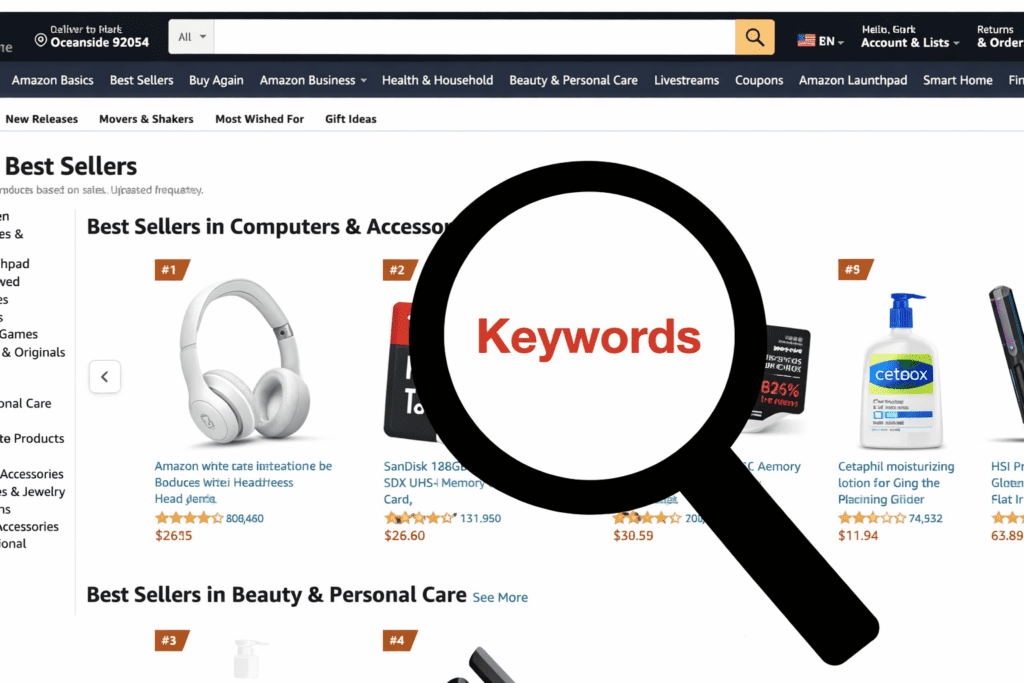
One of the most common mistakes sellers make is skipping proper keyword research. Instead of analyzing real customer search behavior, they rely on guesswork or use technical terms that customers don’t actually search for. This creates a major gap between what customers are searching and what your listing is optimized for.
As highlighted in your content, Amazon rewards relevance, and relevance starts with understanding customer language . If you target the wrong keywords, your product becomes invisible, no matter how good it is.
To fix this, focus on real search data using Amazon autocomplete, competitor analysis, and keyword tools. Target long-tail keywords with high buying intent, as they often convert better and are easier to rank.
Poor Title Optimization
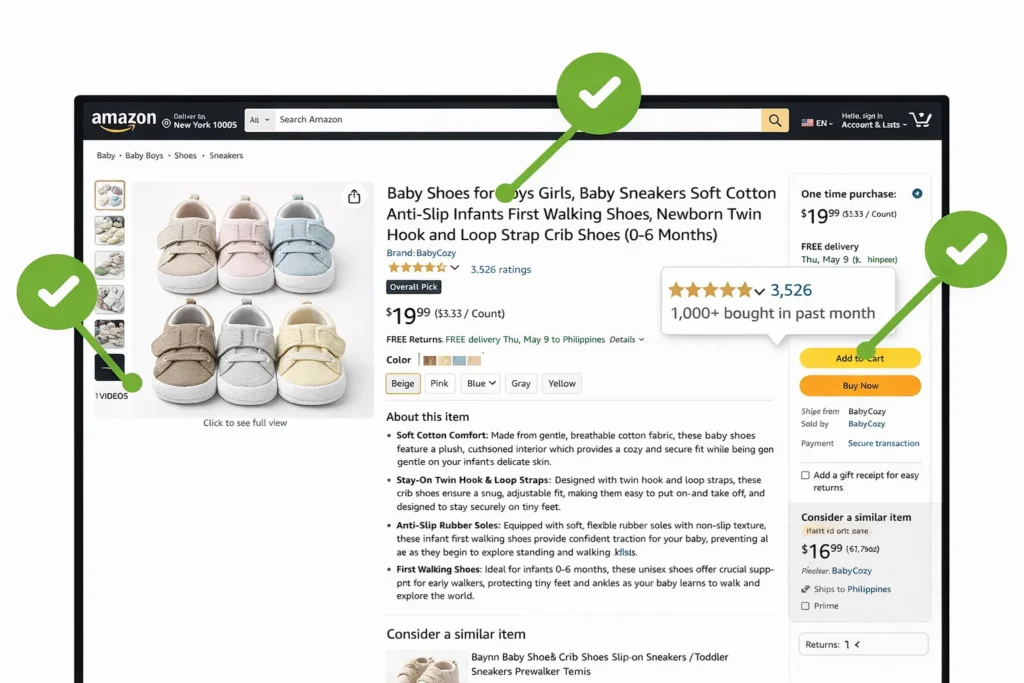
Your product title is one of the most important ranking factors in Amazon SEO. A poorly optimized title can destroy both CTR and conversion rate. Many sellers either create titles that are too short and miss keyword opportunities or overload them with keywords, making them unreadable.
A strong amazon product title optimization strategy ensures that your title includes the main keyword naturally, highlights key features, and remains easy to read. Amazon prioritizes listings that balance SEO with user experience.
A well-structured title improves visibility, attracts clicks, and sets the foundation for conversion.
Not Using Backend Search Terms Properly
Backend search terms are one of the most underutilized areas in Amazon SEO. Many sellers either leave them empty or repeat the same keywords already used in the front-end listing.
This is a major mistake because backend keywords provide additional indexing opportunities without affecting readability. According to best practices, you should use all available characters, include synonyms, alternate spellings, and avoid repetition .
A strong amazon backend keyword strategy can significantly improve indexing and keyword reach.
Weak or Generic Bullet Points
Bullet points are not just for information—they are critical for conversion. Many sellers make the mistake of listing features without explaining benefits, which fails to connect with customers.
As your content explains, Amazon rewards listings that convert, and weak bullets reduce conversion rates . This sends negative signals to the algorithm and lowers your ranking.
To fix this, use a benefit + feature + proof structure. Clearly explain how your product solves problems, improves life, or delivers value. Strong bullet points directly improve amazon listing conversion rate optimization.
Poor Image Optimization
Images are one of the most powerful elements of your listing. Since customers cannot physically touch the product, images must do all the work of demonstrating quality and value.
Low-quality images, missing lifestyle shots, or incomplete image sets can significantly reduce conversions. As noted, listings with 7+ high-quality images consistently perform better .
A strong amazon images optimization strategy includes:
- High-resolution main image
- Lifestyle images
- Infographics
- Feature highlights
Better images improve both CTR and conversion rate, which boosts ranking.
Ignoring Product Description & A+ Content
Many sellers underestimate the importance of product descriptions and A+ content. Some copy generic manufacturer descriptions, while others leave this section under-optimized.
This is a missed opportunity because descriptions allow you to add additional keywords, tell your brand story, and address customer concerns. A strong amazon product description strategy helps convert serious buyers who are close to making a purchase decision.
A+ content further enhances this by adding visuals, comparison charts, and brand storytelling, improving both trust and conversions.
Ignoring Customer Reviews & Q&A
Customer reviews and Q&A are powerful ranking and conversion factors. Many sellers take a passive approach, missing opportunities to build trust and improve performance.
Amazon considers review quantity, quality, and recency when ranking products. Listings with strong reviews naturally perform better because they signal reliability.
Analyzing reviews also helps you identify customer pain points and improve your listing accordingly. This creates a continuous optimization loop that strengthens your amazon seo strategy.
Overloading Keywords
While keywords are important, overusing them can harm your listing. Keyword stuffing makes content unreadable and reduces trust, both for customers and Amazon’s algorithm.
Instead of repeating keywords excessively, focus on natural placement and relevance. A clean, structured listing performs better than one overloaded with keywords.
Not Updating Listings Regularly
Amazon SEO is not a one-time task. Many sellers optimize their listing once and never update it, which leads to declining performance over time.
Markets change, competition increases, and customer behavior evolves. Regular updates based on data and performance are essential for maintaining rankings.
A strong strategy involves continuous testing, keyword updates, and content improvements.
Lack of PPC Support for SEO
Many sellers rely only on organic SEO and ignore PPC. However, Amazon PPC plays a crucial role in boosting visibility, generating traffic, and improving indexing.
Running targeted campaigns helps you:
- Discover new keywords
- Increase sales velocity
- Improve ranking signals
SEO and PPC must work together for maximum results.
Advanced Tips for Amazon SEO Success
To stay ahead of competitors, you need advanced strategies. Seasonal optimization helps you capture trending keywords during peak periods. Competitive analysis allows you to identify gaps and opportunities in your niche.
Tracking performance metrics such as CTR, conversion rate, and keyword ranking helps you make data-driven decisions. Continuous optimization ensures long-term growth.
Conclusion
Avoiding these amazon seo mistakes is essential for improving your ranking and increasing sales. Amazon rewards listings that are relevant, optimized, and conversion-focused.
To succeed:
- Focus on keyword research
- Optimize your listing structure
- Improve images and content
- Use PPC for growth
- Continuously update your strategy
Amazon SEO is not just about ranking—it’s about building a system that drives consistent sales and long-term success.
FAQs: Amazon SEO Mistakes to Avoid
What are the biggest Amazon SEO mistakes?
The biggest amazon seo mistakes to avoid include ignoring keyword research, writing poorly optimized titles, using weak or generic bullet points, and uploading low-quality images. Many sellers also fail to optimize backend keywords or ignore customer reviews. These mistakes reduce visibility, hurt conversion rates, and prevent products from ranking effectively on Amazon.
Does keyword stuffing hurt Amazon SEO?
Yes, keyword stuffing can negatively impact your amazon listing optimization. Overloading your listing with repeated or irrelevant keywords makes the content difficult to read and reduces trust. Amazon’s algorithm prefers natural, relevant keyword placement, so a clean and structured approach improves both indexing and ranking.
How often should I update my listing?
You should update your listing at least every 2–3 months based on performance data. Regular updates help you stay competitive by improving keywords, images, and content. Monitoring trends, customer behavior, and competitor strategies allows you to continuously optimize your amazon seo strategy for better results.
Do images affect Amazon SEO?
Yes, images play a major role in Amazon SEO because they directly impact CTR and conversion rate. High-quality images, lifestyle visuals, and infographics help customers understand the product better, which increases engagement and sales. Better conversion signals tell Amazon that your listing is relevant, leading to improved rankings.
Is PPC important for SEO?
Yes, Amazon PPC is important for SEO because it helps generate traffic, sales, and performance data. Running targeted campaigns improves visibility and sends positive signals to Amazon’s algorithm. A strong amazon ppc and seo strategy together can significantly boost ranking, indexing, and overall listing performance.