
Amazon Ads Optimization
Amazon Ads Optimization is one of the most critical growth strategies for sellers who want to build a profitable and scalable business on Amazon. In today’s competitive marketplace, simply running ads is not enough. Sellers must focus on optimizing their campaigns to ensure that every rupee spent on advertising generates maximum returns. This process involves analyzing campaign data, refining targeting, improving listings, and strategically adjusting bids to reduce wasted ad spend.
The primary goal of Amazon Ads Optimization is to reduce ACoS (Advertising Cost of Sales) while increasing conversions and overall revenue. When done correctly, it allows sellers to scale their business sustainably without sacrificing profit margins. Keywords such as Amazon PPC optimization, reduce ACoS, Amazon advertising strategy, and Amazon ads management are essential because they directly align with how customers and sellers search for solutions in this space.
What is Amazon Ads Optimization and How It Works
Amazon Ads Optimization refers to the continuous process of improving advertising campaigns by using performance data to make informed decisions. Unlike traditional advertising, Amazon PPC campaigns operate in a highly intent-driven environment where customers are already searching for products to purchase. This makes optimization even more powerful because small improvements in targeting and conversion can lead to significant increases in profitability.
The process involves multiple elements such as keyword research, bid adjustments, negative keyword implementation, and campaign restructuring. By optimizing these elements, sellers can improve their ad relevance, increase click-through rates, and achieve better conversion rates. The use of keywords like Amazon PPC campaigns, sponsored product ads optimization, and Amazon keyword targeting strategy helps improve SEO visibility while ensuring the content aligns with user intent.
Why Amazon Ads Optimization is Important for Sellers
Amazon Ads Optimization is essential because the cost of advertising is continuously rising. With increasing competition, cost-per-click (CPC) rates are going higher, making it difficult for unoptimized campaigns to remain profitable. Sellers who do not actively optimize their campaigns often experience high ACoS, low return on ad spend, and wasted budgets on irrelevant clicks.
Another major reason why optimization is crucial is the impact it has on organic rankings. Amazon’s algorithm prioritizes products that generate consistent sales and high conversion rates. Optimized ads help drive targeted traffic that converts, which in turn improves organic visibility. This creates a compounding effect where both paid and organic sales grow together. Including keywords like Amazon sales growth strategy, improve organic ranking Amazon, and Amazon PPC profitability ensures the content remains SEO-friendly and relevant.
Understanding ACoS and Profitability in Amazon Advertising
ACoS, or Advertising Cost of Sales, is one of the most important metrics in Amazon Ads Optimization. It represents the percentage of ad spend relative to the revenue generated from ads. A lower ACoS indicates higher profitability, while a higher ACoS suggests that too much is being spent on advertising compared to the returns.
However, it is important to understand that the ideal ACoS varies depending on business goals. For product launches, a higher ACoS may be acceptable to gain visibility and traction. For established products, the focus should shift towards maintaining a lower ACoS to maximize profit margins. Using SEO keywords such as reduce ACoS Amazon, Amazon PPC cost control, and improve ROAS Amazon ads helps target users looking for profitability strategies.
Common Problems in Amazon Ads and Their Solutions
One of the most common problems sellers face is high ad spend with low conversions. This usually happens due to poor keyword targeting or weak product listings. If ads are targeting irrelevant keywords, they may generate clicks but not sales, leading to wasted budget. The solution is to refine keyword targeting and focus on high-intent search terms that match buyer intent.
Another major issue is low impressions, which often results from low bids or poor keyword relevance. In such cases, increasing bids strategically and improving keyword selection can help improve visibility. Similarly, high clicks but no conversions indicate problems with the product listing, such as poor images, lack of reviews, or uncompetitive pricing. Keywords like Amazon PPC problems, fix high ACoS, improve Amazon ad performance, and Amazon ads troubleshooting enhance SEO value while addressing real seller concerns.
Campaign Structure Strategy for Better Optimization
A well-structured campaign is the foundation of successful Amazon Ads Optimization. Without a proper structure, it becomes difficult to analyze performance and make accurate decisions. The ideal campaign structure includes a combination of automatic and manual campaigns, where automatic campaigns are used for keyword discovery and manual campaigns are used for precise targeting.
By separating campaigns into broad, phrase, and exact match types, sellers can control how their ads appear for different search queries. This structured approach allows for better data analysis and more effective optimization. Keywords such as Amazon PPC campaign structure, keyword match types Amazon, and Amazon ads organization strategy improve search visibility and relevance.
Keyword Research and Targeting Strategy
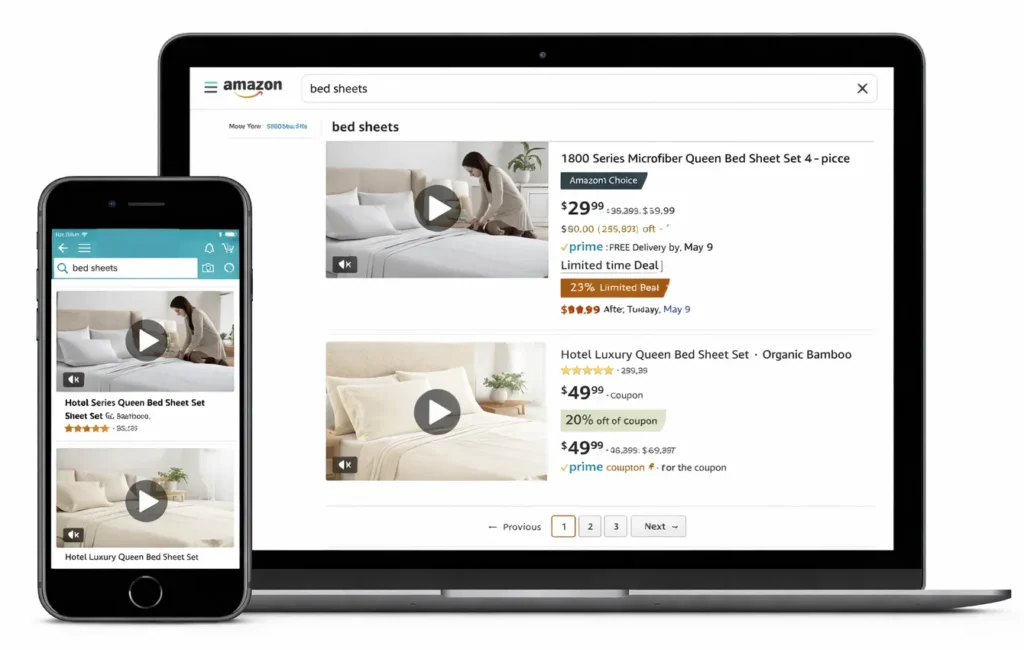
Keyword research is the backbone of Amazon Ads Optimization. It involves identifying the search terms that potential customers use when looking for products. High-intent keywords, such as “buy decorative tray online,” are more likely to convert compared to generic keywords like “home decor.”
Targeting the right keywords ensures that ads are shown to the most relevant audience, which improves both click-through rates and conversion rates. Tools like Helium 10 and Jungle Scout can help identify profitable keywords with high search volume and low competition. Using SEO phrases like Amazon keyword research, high converting keywords Amazon, and Amazon PPC keyword strategy ensures the content ranks well on search engines.
Importance of Search Term Analysis
Search term analysis is a critical part of optimizing Amazon ads because it reveals the actual queries customers use before clicking on ads. By analyzing this data, sellers can identify which keywords are generating sales and which ones are wasting budget.
Converting search terms should be added as exact match keywords in manual campaigns to maximize performance. On the other hand, non-performing terms should be added as negative keywords to prevent further spending. This process helps improve targeting accuracy and reduce ACoS. Including keywords like Amazon search term report, keyword mining Amazon PPC, and Amazon ads data analysis strengthens SEO optimization.
Negative Keywords Strategy to Reduce Wasted Spend
Negative keywords play a crucial role in reducing wasted ad spend. They prevent ads from showing for irrelevant search queries that are unlikely to convert. For example, if a seller offers premium products, they may want to exclude keywords like “cheap” or “budget.”
Implementing a strong negative keyword strategy ensures that advertising budgets are focused only on high-quality traffic. This leads to better conversion rates and lower ACoS. Keywords such as Amazon negative keywords strategy, reduce wasted ad spend, and Amazon PPC optimization tips help improve content discoverability.
Bid Optimization and Budget Control
Bid optimization involves adjusting keyword bids based on performance data. High-performing keywords should receive higher bids to maximize visibility, while underperforming keywords should have reduced bids or be paused.
Effective budget control ensures that funds are allocated to campaigns that generate the highest returns. Instead of spreading budgets evenly, sellers should focus on scaling profitable campaigns. Keywords like Amazon bid optimization, PPC bid strategy Amazon, and Amazon ad budget management enhance SEO value while addressing practical strategies.
Listing Optimization for Better Conversion Rates
Even the best advertising strategy cannot succeed without a well-optimized product listing. A high-converting listing includes a compelling title, high-quality images, detailed bullet points, and strong A+ content. Customer reviews and ratings also play a significant role in influencing purchase decisions.
Improving listing quality increases conversion rates, which directly reduces ACoS and improves ad performance. Keywords such as Amazon listing optimization, improve conversion rate Amazon, and Amazon product page SEO ensure the content remains optimized for search engines.
Scaling Amazon Ads Profitably
Scaling Amazon ads requires a strategic approach to ensure that increased ad spend leads to proportional growth in sales. This involves gradually increasing budgets and bids for high-performing campaigns while maintaining a close watch on ACoS and ROAS.
Expanding keyword targeting, testing new ad formats, and leveraging retargeting campaigns can help drive additional growth. However, scaling should always be done cautiously to avoid sudden spikes in ad spend without guaranteed returns. Using keywords like scale Amazon PPC campaigns, increase Amazon sales with ads, and Amazon growth strategy improves SEO performance.
Advanced Amazon Ads Strategies
Advanced strategies such as competitor targeting, retargeting, and funnel-based advertising can significantly enhance campaign performance. Competitor targeting allows sellers to capture customers who are already considering similar products, while retargeting helps bring back potential buyers who did not convert initially.
A funnel-based approach ensures that different stages of the customer journey are addressed effectively, from awareness to conversion. Keywords like advanced Amazon PPC strategies, competitor targeting Amazon ads, and Amazon retargeting ads add depth and SEO strength to the content.

Frequently Asked Questions – Amazon Ads Optimization
What is Amazon Ads Optimization and why is it important?
Amazon Ads Optimization is the process of improving your Amazon PPC campaigns by analyzing data, refining keyword targeting, adjusting bids, and enhancing product listings to achieve better performance. It is important because it directly impacts your profitability by reducing wasted ad spend and improving conversion rates. Without proper Amazon ads optimization, sellers often experience high ACoS, low return on ad spend (ROAS), and inefficient campaign performance. By implementing a structured Amazon advertising strategy, sellers can increase visibility, boost sales, and improve organic rankings, making it a critical component of long-term success on the platform.
How can I reduce ACoS in Amazon PPC campaigns?
Reducing ACoS in Amazon PPC campaigns requires a combination of keyword optimization, bid management, and listing improvement. The most effective way to lower ACoS is by identifying high-performing keywords and increasing their bids while reducing or pausing keywords that generate clicks but no conversions. Additionally, adding negative keywords helps eliminate irrelevant traffic and prevents wasted ad spend. Improving your product listing with better images, optimized titles, and strong bullet points can also increase conversion rates, which naturally lowers ACoS. Using strategies like Amazon PPC optimization, keyword targeting, and bid adjustment ensures more efficient ad spending and higher profitability.
What is a good ACoS for Amazon advertising?
A good ACoS for Amazon advertising depends on your profit margins, business goals, and product lifecycle stage. For new product launches, a higher ACoS is often acceptable because the goal is to gain visibility and generate initial sales. However, for established products, a lower ACoS is preferred to maintain profitability. Typically, sellers aim for an ACoS that is lower than their profit margin. For example, if your profit margin is 30%, your ACoS should ideally be below 30% to remain profitable. Understanding this balance is key to developing a successful Amazon PPC strategy and long-term advertising plan.
How do Amazon PPC campaigns work?
Amazon PPC campaigns operate on a pay-per-click model, where advertisers pay only when a shopper clicks on their ad. These ads appear in search results and product pages based on keyword targeting and bidding strategies. When a user searches for a product, Amazon’s algorithm determines which ads to display based on relevance, bid amount, and performance history. The better optimized your campaign is, the more likely your ads will appear in high-visibility placements like top of search. Understanding how Amazon PPC campaigns work helps sellers create more effective strategies using keyword research, bid optimization, and campaign structuring.
What are the different types of Amazon ads?
Amazon offers three main types of ads: Sponsored Products, Sponsored Brands, and Sponsored Display ads. Sponsored Products are the most commonly used and focus on promoting individual listings through keyword targeting. Sponsored Brands ads help increase brand awareness by showcasing multiple products and custom headlines. Sponsored Display ads are used for retargeting and audience-based targeting, allowing sellers to reach customers both on and off Amazon. Each ad type serves a different purpose within an overall Amazon advertising strategy, and using them effectively can significantly improve campaign performance and scalability.
How do negative keywords help in Amazon Ads Optimization?
Negative keywords are essential for reducing wasted ad spend and improving campaign efficiency. They prevent your ads from appearing for irrelevant search queries that are unlikely to convert into sales. For example, if you sell premium products, adding negative keywords like “cheap” or “low price” can help filter out non-targeted traffic. This improves the quality of clicks, increases conversion rates, and lowers ACoS. A strong negative keyword strategy is a key part of Amazon PPC optimization and cost control, ensuring that your advertising budget is spent only on high-intent customers.
How often should I optimize my Amazon ads?
Amazon ads should be optimized regularly to maintain performance and profitability. Ideally, sellers should monitor their campaigns daily to track spending and identify any major issues. Weekly optimization should include analyzing search term reports, adjusting bids, and updating negative keywords. Monthly reviews should focus on scaling successful campaigns and testing new strategies. Consistent optimization ensures that campaigns remain competitive and aligned with market trends. Following a structured Amazon ads management routine helps sellers achieve better results over time.
Why am I getting clicks but no sales on Amazon ads?
Getting clicks but no sales is a common issue in Amazon PPC campaigns and usually indicates a mismatch between your ad targeting and product listing. This can happen if you are targeting low-intent or irrelevant keywords that attract traffic but do not convert. It can also be due to poor listing quality, such as weak images, lack of reviews, or uncompetitive pricing. To fix this issue, sellers should refine their keyword targeting, add negative keywords, and improve their product listing. Addressing these factors helps improve conversion rates and overall Amazon ad performance optimization.
What is the best bidding strategy for Amazon PPC?
The best bidding strategy for Amazon PPC depends on your campaign goals and performance data. Dynamic bidding (down only) is a good starting point because it helps control costs by lowering bids when conversion probability is low. For high-performing keywords, increasing bids can improve visibility and drive more sales. Fixed bidding can be used for campaigns where you want consistent control over costs. A successful Amazon bid optimization strategy involves continuously analyzing performance and adjusting bids based on conversion rates and ACoS.
How can I scale Amazon ads without increasing ACoS?
Scaling Amazon ads without increasing ACoS requires a strategic approach focused on efficiency and data analysis. Sellers should identify high-performing keywords and campaigns, then gradually increase budgets and bids for those areas. Expanding keyword targeting, testing new ad formats, and using retargeting campaigns can also help drive growth. However, scaling should always be done incrementally to avoid sudden increases in ad spend. Maintaining a strong focus on Amazon PPC scaling strategies, conversion optimization, and campaign performance tracking ensures sustainable growth without sacrificing profitability.
Do Amazon ads help improve organic rankings?
Yes, Amazon ads can significantly improve organic rankings by increasing sales velocity and conversion rates. Amazon’s algorithm favors products that generate consistent sales, and well-optimized ads help drive targeted traffic that converts. As a result, products with strong ad performance often see improvements in their organic search rankings. This creates a positive cycle where increased visibility leads to more sales, further boosting rankings. Integrating Amazon SEO and PPC strategies is essential for maximizing both paid and organic growth.
What tools are best for Amazon Ads Optimization?
There are several tools available to help sellers optimize their Amazon ads more effectively. Popular tools include Helium 10, Jungle Scout, Data Dive, and Perpetua. These tools provide insights into keyword performance, competitor analysis, and campaign optimization opportunities. Using the right tools can save time, improve accuracy, and enhance overall campaign performance. Leveraging these tools as part of your Amazon PPC management and optimization strategy allows for more data-driven decision-making.
Conclusion: Mastering Amazon Ads Optimization
Amazon Ads Optimization is a continuous and evolving process that requires consistent effort and data analysis. Sellers who focus on optimizing their campaigns, improving their listings, and understanding customer behavior are more likely to achieve long-term success.
By implementing the strategies discussed in this guide, including keyword targeting, negative keywords, bid optimization, and campaign structuring, sellers can significantly reduce ACoS and scale their profits. Ultimately, success in Amazon advertising comes down to making data-driven decisions and continuously refining your approach.