
Amazon has introduced new capabilities for its AI shopping assistant Rufus, adding features that allow customers to track price history, discover personalized deals, set price alerts, and automatically purchase items when they hit a target price.
The latest updates are part of Amazon’s continued expansion of Rufus, its AI-powered shopping assistant designed to help customers research products, compare prices, and automate parts of the shopping process. Amazon says the enhancements are intended to make shopping faster, more personalized, and more cost-efficient for users.
Rufus Now Shows Product Price History
One of the most notable additions is a built-in 30-day and 90-day price history tracker, allowing customers to review how a product’s price has changed over time before making a purchase.
Users can ask Rufus questions such as “Has this item been on sale recently?” or “What’s the price history?” to see recent pricing trends directly inside Amazon’s shopping interface. Amazon says the feature is designed to help shoppers determine whether current pricing represents a good deal.
Auto-Buy at Your Target Price
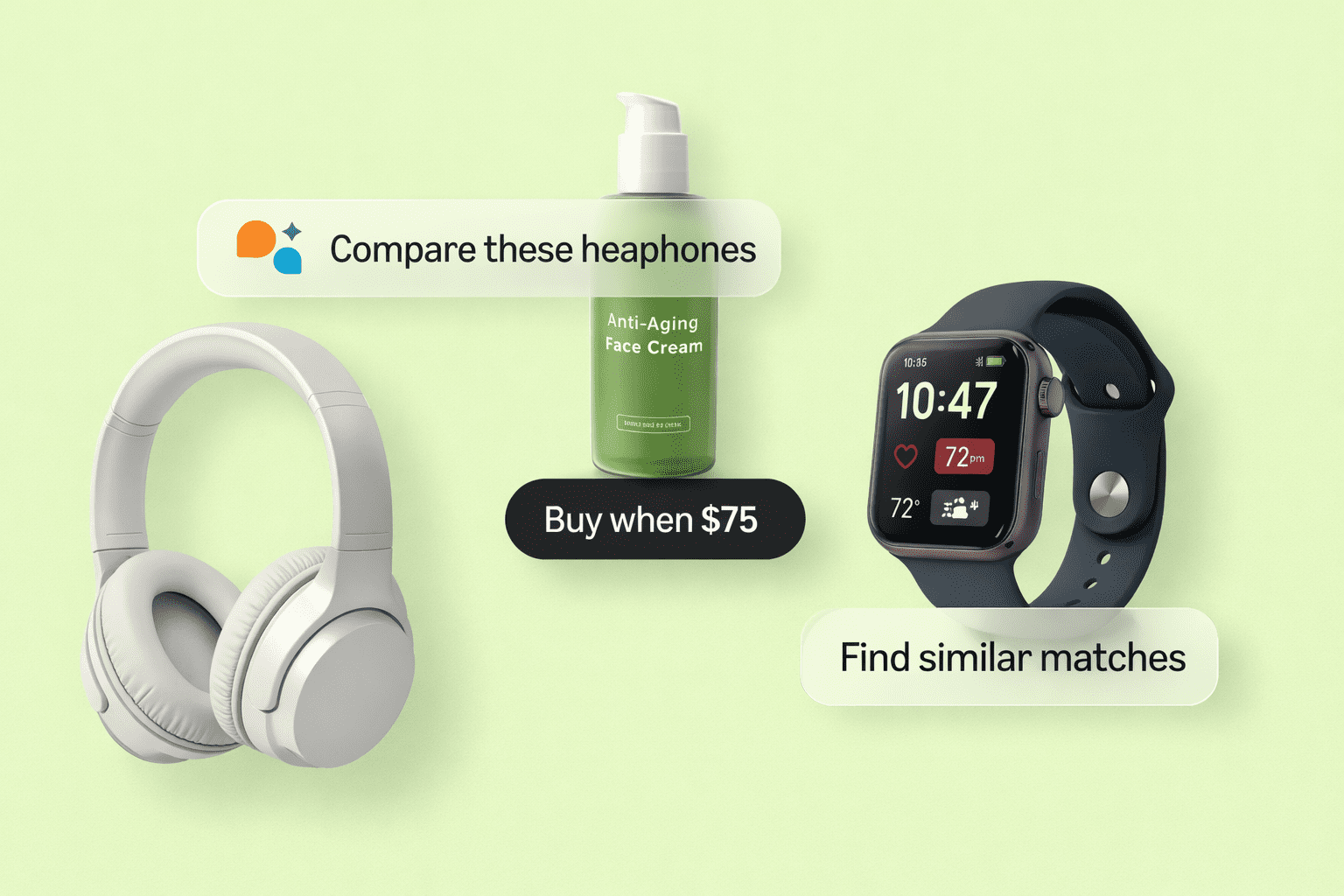
Amazon has also added a new auto-buy feature that enables users to instruct Rufus to purchase an item automatically once it reaches a specified price.
For example, shoppers can ask Rufus to buy a product when it falls below a set dollar amount or discount threshold. Rufus will then monitor the price and complete the purchase using the customer’s default payment and shipping details when the condition is met.
Amazon says users receive a notification after purchase and are given a 24-hour cancellation window. Auto-buy requests remain active for up to six months unless canceled manually.
Personalized Deal Recommendations
Rufus can now surface personalized deals by analyzing a user’s browsing history, wish lists, cart contents, and previous purchases.
Customers can ask questions like “What are the best deals for me?” or “Are any items on my wish list on sale?” to receive tailored promotions and discounts based on their shopping activity. Amazon says the goal is to make deal discovery more relevant and personalized rather than relying on generic sale listings.
ufus can now surface personalized deals based on a customer’s:
- Browsing history
- Wish lists
- Past purchases
- Saved items
- Shopping preferences
Users can ask Rufus for tailored recommendations such as “What deals are best for me?” or “Are any items on my wishlist on sale?”
Amazon says this helps shoppers discover more relevant promotions instead of generic marketplace discounts.
Additional Shopping Features Added
Alongside pricing and deals, Amazon has expanded Rufus with several other shopping assistance tools, including:
- Uploading handwritten shopping lists for AI transcription
- Reordering previously purchased items via voice/text prompts
- Comparing products instantly within search results
- Discovering products sold outside Amazon through Shop Direct
- Receiving personalized product recommendations and summaries
These updates further position Rufus as Amazon’s broader AI-powered shopping assistant rather than just a chatbot for product questions.
Custom Shopping Guides
Amazon has also enhanced Rufus with AI-generated shopping guides.
Customers can ask broader shopping or project-based questions such as:
- “What do I need for a home photography studio?”
- “What should I consider when buying a surfboard?”
Rufus will generate personalized buying guides with research, recommendations, and product suggestions.
Photo Upload Product Search
Rufus now supports image uploads for shopping assistance.
Users can upload photos and ask Rufus to:
- Find similar products
- Recommend matching items
- Identify product styles
- Suggest alternatives within budget
This expands Rufus beyond text-only shopping queries.
Handwritten List Transcription
Amazon has added support for handwritten shopping list uploads, allowing customers to upload photos of handwritten lists.
Rufus can transcribe the list and automatically add relevant products to the customer’s cart.
Reorder Past Purchases
Customers can now ask Rufus to reorder previously purchased items using natural prompts such as:
- “Reorder my last school supplies”
- “Buy everything I used for pumpkin pie again”
Rufus can also suggest alternative products if previous purchases are unavailable.
Shop Outside Amazon With Shop Direct
Amazon has expanded Rufus to help shoppers discover products sold outside Amazon through Shop Direct.
This allows customers to compare products from external merchants if items are unavailable in Amazon’s marketplace.
For select listings, Amazon can even complete purchases on behalf of users through “Buy For Me” integrations.
Product Comparison and Personalized Recommendations
Rufus now offers improved comparison tools and personalized product summaries.
Users can compare similar products instantly and receive explanations about why a product may match their preferences based on past shopping behavior.
Why It Matters
Amazon’s expansion of Rufus reflects the company’s growing investment in AI-powered shopping and automation tools as competition intensifies across eCommerce platforms.
By combining price tracking, automated purchasing, and personalized recommendations, Amazon is moving closer to a more agentic shopping experience where AI can actively manage parts of the purchasing process on behalf of customers.
Industry observers say features like auto-buy and AI-driven deal discovery could significantly change how consumers shop online if adoption increases.