
A Major Shift in Timing — Why June Matters
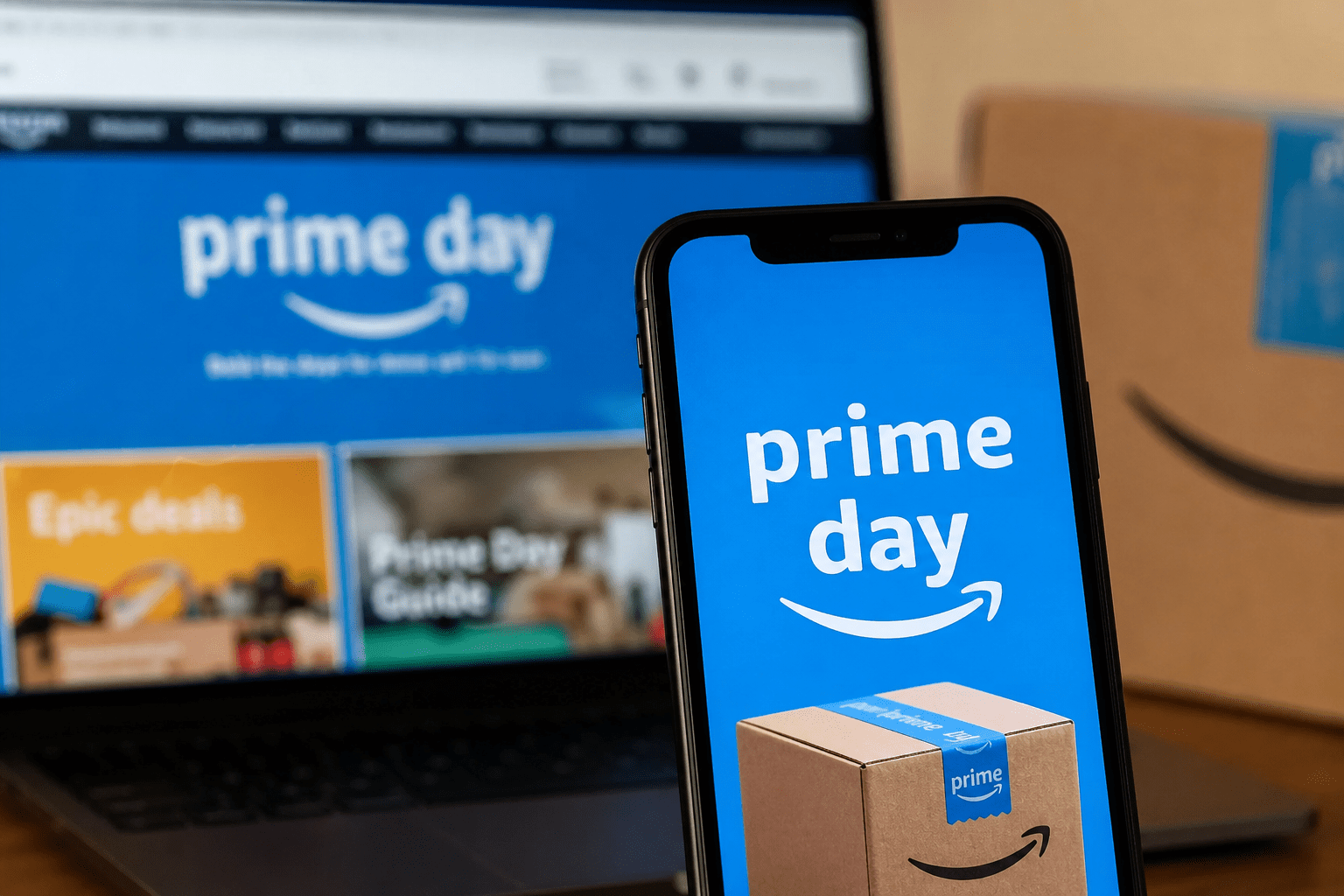
Amazon has officially confirmed that its flagship shopping event, Prime Day 2026, will take place in June instead of its traditional July window, marking a significant shift in strategy.
This change is notable because Prime Day has historically been aligned with mid-summer and back-to-school shopping demand, usually falling in July. Moving it to June suggests Amazon is attempting to capture consumer spending earlier, potentially staying ahead of competitors like Walmart and Target, which increasingly launch competing sales events around the same period.
From a business perspective, this timing shift also helps Amazon bring Prime Day into its second-quarter earnings cycle, which can boost reported revenues earlier in the year and strengthen investor confidence.
Dates Still Unconfirmed — But Expectations Are Clear
While Amazon has confirmed the month (June 2026), the exact dates have not yet been announced, creating anticipation among both consumers and sellers.
Historically, Prime Day began as a 48-hour sale, but recent trends show Amazon experimenting with longer durations. In 2025, the event expanded to four days, indicating that Amazon may continue extending the sale to maximize engagement and revenue.
Industry experts expect either:
- A return to 2-day flash sale format, or
- A continuation of multi-day mega sale strategy
This uncertainty is deliberate—it builds hype and keeps shoppers watching for announcements.
Global Rollout Strategy — Not All Countries at Once
Prime Day 2026 will be a global event across 20+ countries, including the US, UK, Germany, and UAE in June.
However, India and a few other markets (Australia, Brazil, Japan) will get the sale later, typically in July 2026, following Amazon’s staggered rollout strategy.
This phased approach allows Amazon to:
- Optimize logistics and delivery operations
- Customize deals for regional demand
- Extend overall sales momentum over multiple months
For India specifically, this will be the 10th edition of Prime Day, showing how important the market has become.
What Prime Day Really Is — More Than Just a Sale
Prime Day is not just another discount event—it has evolved into one of the largest global shopping festivals, often compared to Black Friday and Cyber Monday combined.
The event is exclusive to Amazon Prime members, meaning customers must subscribe to access the best deals. This exclusivity plays a key role in:
- Increasing Prime subscriptions
- Boosting customer loyalty
- Driving repeat purchases
Amazon also offers a 30-day free trial, allowing new users to participate without upfront cost.
Expected Deals — Where the Biggest Discounts Come
Prime Day is known for deep discounts across multiple categories, including:
- Electronics (Apple, Samsung, smart devices)
- Amazon-owned products (Echo, Fire TV, Kindle, Ring)
- Fashion, beauty, and home essentials
- Kitchen appliances and daily-use items
Amazon’s own devices typically receive the steepest discounts, as the company uses Prime Day to push its ecosystem.
In addition, “Lightning Deals”—limited-time flash sales—are a core feature. These deals:
- Last for a few minutes to hours
- Sell out extremely quickly
- Create urgency and high engagement
Consumer Behavior — Speed & Competition Matter
Prime Day shopping is often described as fast-paced and competitive, where popular deals can disappear within minutes.
Consumers are expected to:
- Track deals in real time via the app
- Use wishlists and alerts
- Act quickly to secure limited-stock items
This “flash sale psychology” is a deliberate strategy by Amazon to:
- Increase impulse buying
- Keep users continuously engaged
- Drive high traffic spikes
Record Growth & Scale — Why Prime Day Keeps Expanding
Prime Day has seen massive growth year after year, becoming a key revenue driver for Amazon.
- 2025 Prime Day was the largest ever
- Billions of items sold globally
- Huge participation from small and medium sellers
Amazon reported record-breaking delivery speeds, with billions of items delivered same or next day, reinforcing its logistics advantage.
This growth explains why Amazon is:
- Expanding event duration
- Moving dates strategically
- Investing heavily in infrastructure
Impact on Sellers & Businesses
For sellers (especially Amazon marketplace sellers), Prime Day is a critical sales opportunity.
It allows them to:
- Clear inventory quickly
- Launch new products
- Gain visibility through promotions
However, competition is intense, and sellers must:
- Offer aggressive discounts
- Run ads and deals
- Maintain stock availability
Small businesses, which make up a large portion of Amazon sellers, often see record sales during this event.
Strategic Importance — Beyond Just Sales
Prime Day is not only about revenue—it is a strategic ecosystem event for Amazon.
It helps the company:
- Increase Prime memberships globally
- Promote Amazon devices and services
- Strengthen customer retention
- Compete directly with global retailers
The move to June 2026 shows Amazon is repositioning Prime Day as a mid-year economic trigger, rather than just a seasonal sale.
Final Takeaway
Amazon’s decision to bring Prime Day forward to June 2026 signals a major strategic shift aimed at boosting early-year sales, staying ahead of competitors, and strengthening its Prime ecosystem.
With massive discounts, global participation, and high consumer demand, Prime Day continues to evolve into one of the most powerful retail events in the world—and 2026 is expected to be even bigger.