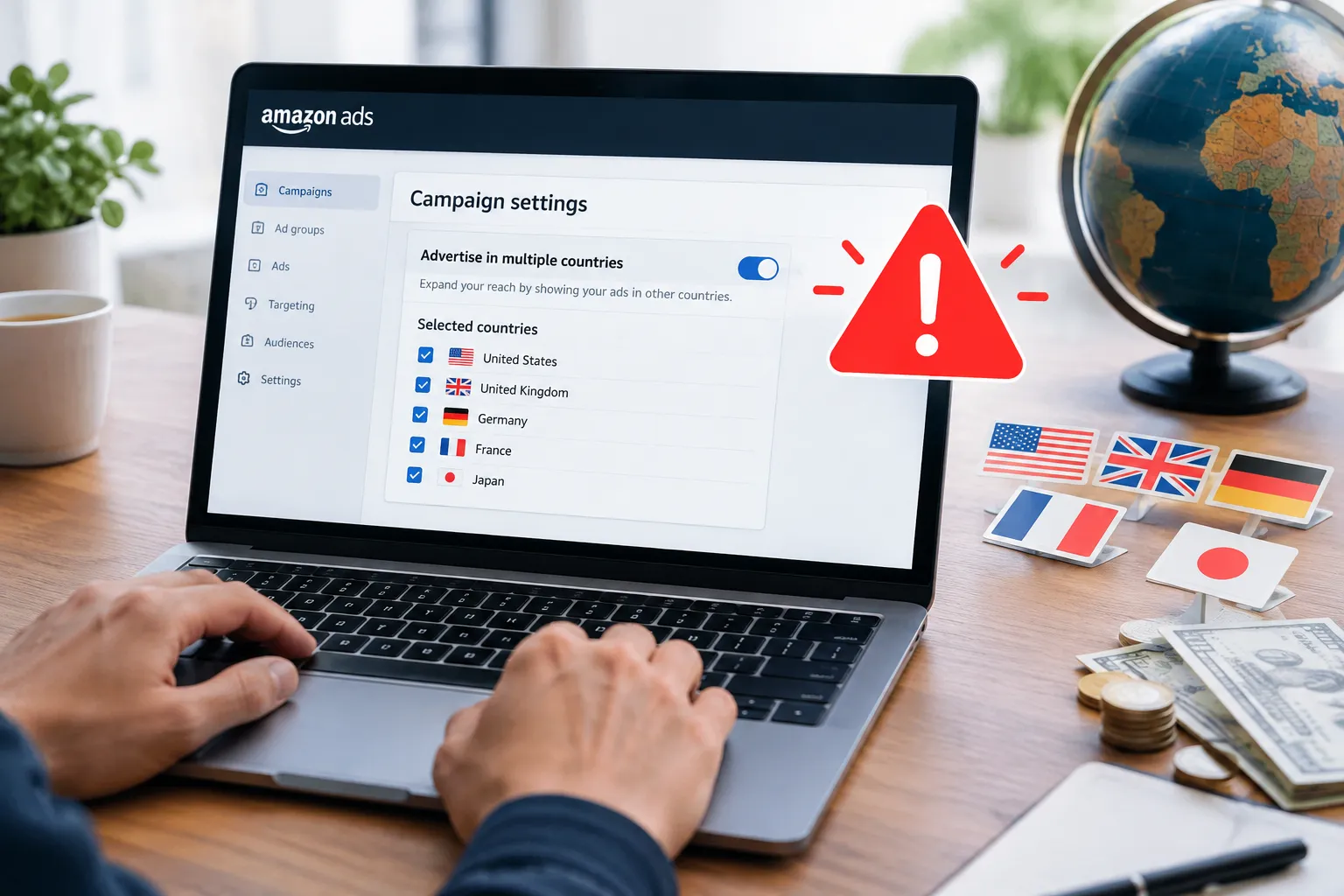


Amazon has officially announced a major update to its advertising payment system that will significantly impact sellers, vendors, brands, and agencies running ads across the marketplace. Beginning on 1 August 2026, Amazon advertisers will see changes in how advertising costs are billed and collected, introducing a new default payment structure directly connected to seller and vendor account balances.
The update is expected to affect thousands of businesses that rely on Amazon Sponsored Products, Sponsored Brands, Sponsored Display, and DSP advertising campaigns to drive traffic and sales. Industry experts believe the new billing structure could reshape how brands manage advertising budgets, cash flow, and operational planning moving forward.
Under the new policy, Amazon advertising charges can be paid in one of two ways. The first method — which will become the default option — is automatic deduction from the seller or vendor account balance. The second option allows advertisers to continue using Pay by Invoice, where invoices are issued monthly with 30-day payment terms.
Amazon confirmed that advertisers who do not manually update their payment settings before the August 2026 deadline will automatically transition to the seller or vendor account balance deduction system.
Sellers May See Direct Impact on Cash Flow
The change is particularly important for businesses operating with large advertising budgets or tight inventory cycles. Since advertising costs may now be deducted directly from settlement balances, sellers could experience reduced payouts if campaigns are not carefully managed.
Many ecommerce brands rely heavily on seller disbursements to fund:
- inventory replenishment,
- warehousing,
- logistics,
- payroll,
- and operational expansion.
With advertising costs directly tied to settlement balances, businesses may need stronger forecasting and tighter advertising controls to avoid liquidity pressure.
Industry analysts suggest this move reflects Amazon’s broader effort to centralize seller financial operations and reduce payment failures across its advertising ecosystem.
Businesses already investing heavily in Amazon advertising optimization may be better positioned to adapt to the new structure. Many brands are expected to increase focus on:
- campaign profitability,
- ACOS reduction,
- conversion optimization,
- and PPC efficiency.
Companies looking to improve advertising performance often work with specialized providers such as Amazon PPC Management Services to control ad spend while maintaining scalable growth.
Pay by Invoice Remains Available for Eligible Advertisers
Amazon confirmed that advertisers can still choose Pay by Invoice as an alternative payment method. Under this structure, invoices will be generated at the end of each month and businesses will receive 30 days to complete payment.
This option is expected to remain popular among:
- enterprise brands,
- aggregators,
- large sellers,
- and agencies managing multiple advertising accounts.
Invoice billing can help preserve operational cash flow because advertising costs are separated from settlement deductions. Financial teams may also find invoice-based billing easier for accounting reconciliation and monthly forecasting.
However, advertisers must manually update their payment settings to continue using invoice billing after the August 2026 transition date.
Marketplace consultants believe many high-spend advertisers will likely prefer invoice billing to maintain stronger liquidity management while scaling campaigns.
Brands managing complex advertising operations often combine billing optimization with broader Amazon Account Management Services to improve operational efficiency and profitability.
Existing Credit and Debit Cards Will Continue as Backup Payment Methods
Amazon also clarified that existing payment methods such as credit cards and debit cards will remain connected to advertiser accounts as backup payment methods.
If seller or vendor balances become insufficient to cover advertising costs, Amazon may automatically use the backup payment source to prevent campaign interruptions.
This safeguard is designed to reduce ad delivery disruptions and maintain campaign continuity. However, businesses may need to monitor both settlement balances and backup payment limits more carefully under the new system.
Experts warn that sellers with aggressive advertising strategies and low profit margins could face unexpected financial pressure if campaigns are not properly optimized.
Amazon Offering $2,500 Monthly Click Credits During Transition
To support advertisers during the rollout, Amazon announced a promotional click credit program worth up to $2,500 per month for five consecutive months beginning 1 August 2026.
Eligible advertisers can use these click credits to offset advertising costs during the transition period.
Amazon encouraged advertisers to:
- review their Promotions page,
- monitor registered email accounts,
- and confirm eligibility details.
The incentive program is expected to help sellers test campaign strategies, launch new products, and maintain advertising momentum while adapting to the updated billing structure.
Despite the promotional credits, experts say businesses should still focus heavily on long-term advertising efficiency rather than temporary cost reductions.
Brands aiming to strengthen both paid and organic visibility are increasingly combining advertising strategies with Amazon SEO Services to improve long-term ranking performance and profitability.
Ecommerce Industry Reacts to Amazon’s Billing Update
The announcement has generated significant discussion across the ecommerce and Amazon seller community. Many industry professionals see the change as part of Amazon’s ongoing effort to integrate advertising, settlements, and financial operations into a more centralized infrastructure.
Some sellers support the move because it simplifies payment management and reduces failed transactions. Others are concerned about how direct settlement deductions could impact working capital, especially during high-growth periods or seasonal sales events.
Agencies managing large advertising portfolios are also expected to adjust reporting systems, budget forecasting models, and operational workflows to align with the new billing structure.
Marketplace analysts believe this update reinforces the growing importance of data-driven advertising management on Amazon. Businesses relying on inefficient campaigns, poor keyword targeting, or low-converting listings may encounter increasing financial strain under the updated payment system.
To improve conversion rates and reduce wasted ad spend, many brands are investing in:
- listing optimization,
- enhanced brand content,
- storefront development,
- and conversion-focused product pages.
Businesses preparing for long-term marketplace growth frequently use Amazon Listing Optimization Services to improve advertising efficiency and organic ranking performance.
Sellers Encouraged to Prepare Before August 2026
Experts recommend that sellers begin preparing for the transition well before the August 2026 implementation date.
Businesses should review:
- advertising profitability,
- TACoS and ACOS performance,
- campaign structure,
- monthly advertising budgets,
- and cash flow forecasting.
Brands heavily dependent on Amazon advertising for sales growth may also benefit from reevaluating campaign efficiency and operational budgeting strategies before the new system becomes active.
Industry professionals believe sellers who proactively optimize advertising operations and maintain healthy financial controls will be best positioned to adapt successfully to Amazon’s evolving advertising ecosystem.
As competition across Amazon marketplaces continues to increase, the ability to manage profitable advertising at scale is becoming more important than ever.
Businesses looking for long-term ecommerce growth strategies can explore additional marketplace solutions through Ecom Ranker including: