
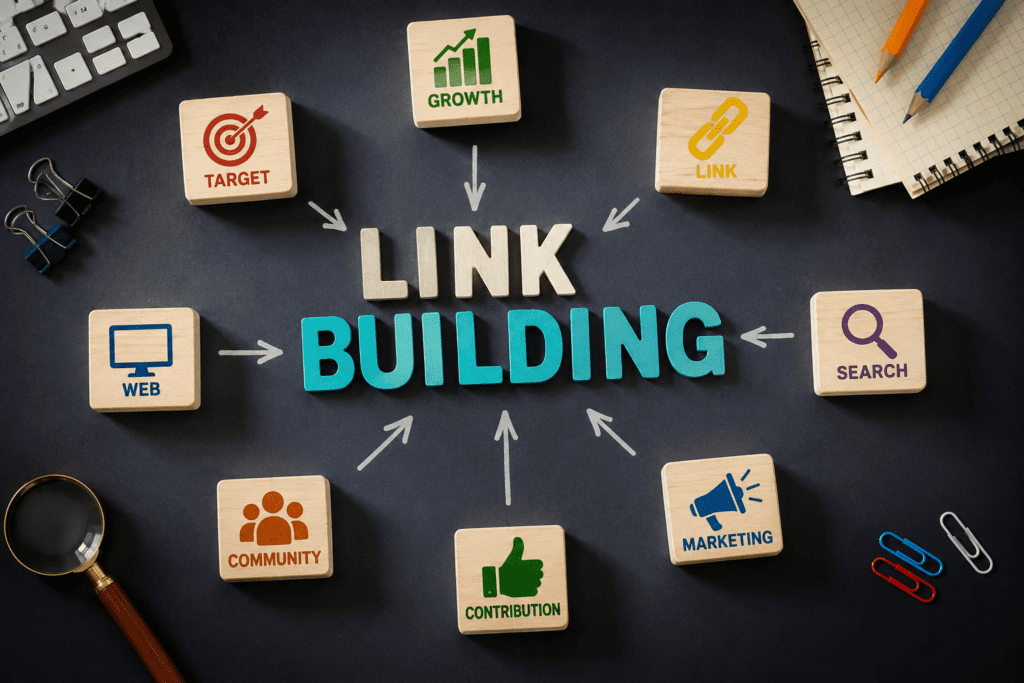
Link building remains one of the strongest foundations of modern SEO. Even with the rise of AI-generated content, machine learning algorithms and evolving search technologies, backlinks continue to play a critical role in determining how websites rank in Google search results. In 2026, businesses that invest in high-quality link building strategies consistently outperform competitors in organic visibility, domain authority and long-term traffic growth.
For eCommerce brands and online businesses, link building is no longer just about rankings. It now directly impacts brand trust, topical authority, referral traffic and overall online credibility. Search engines increasingly evaluate which websites are trusted by others within the industry, and backlinks act as one of the clearest indicators of authority.
This comprehensive guide explains everything businesses need to know about SEO link building in 2026, including backlink strategies, internal linking, white hat SEO techniques, trust signals and the future of authority building.
What Is Link Building?
Link building is the process of acquiring hyperlinks from external websites that point to your website. These hyperlinks, also known as backlinks, help search engines understand the authority, relevance and trustworthiness of your content.
When another website links to your page, it signals to Google that your content may provide valuable information worth recommending to users. In simple terms, backlinks function like votes of confidence from other websites.
However, modern link building is far more sophisticated than it was years ago. Google no longer rewards websites simply because they have large quantities of backlinks. Instead, the search engine prioritizes high-quality, relevant and trustworthy backlinks from authoritative websites.
In 2026, successful link building strategies focus on creating valuable content, building industry relationships and earning natural editorial mentions rather than manipulating search rankings with artificial tactics.
Why Link Building Is Important for SEO
Backlinks remain one of Google’s strongest ranking signals because they help search engines evaluate website credibility and industry authority. Even the best-written content may struggle to rank if it lacks trustworthy backlinks supporting it.
Search engines use backlinks to determine:
- Website authority
- Industry relevance
- Brand trustworthiness
- Content popularity
- User value
A website with strong backlinks is generally viewed as more reliable and authoritative than competitors with weaker backlink profiles.
For businesses operating in highly competitive industries, link building often becomes the difference between ranking on page one versus remaining invisible in search results.
Additionally, backlinks drive valuable referral traffic from other websites, helping businesses attract highly targeted users already interested in their niche or products.
Strong backlinks also contribute to long-term domain authority growth, making future content easier to rank organically.
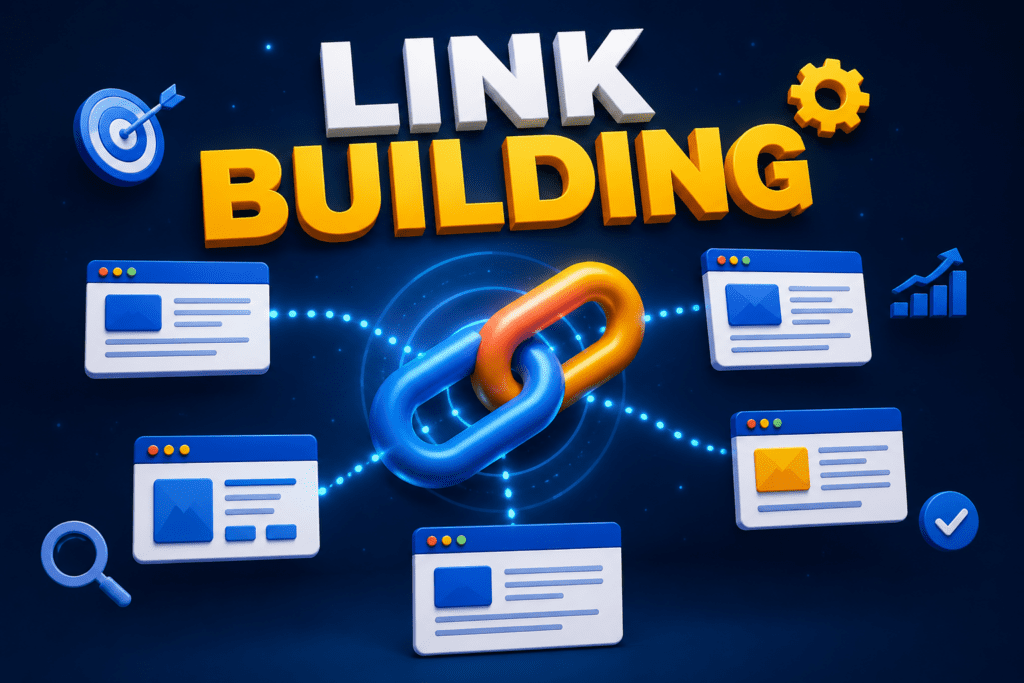
How Google Uses Backlinks in 2026
Google’s ranking systems have evolved dramatically over the years. Earlier algorithms often rewarded websites based largely on backlink quantity, which led to spammy SEO practices and artificial ranking manipulation.
Today, Google’s algorithms evaluate backlinks contextually and intelligently.
Modern ranking systems analyze:
- Link relevance
- Domain authority
- Topical alignment
- Anchor text quality
- Link placement
- Content context
- Editorial trust
This means a single backlink from a highly authoritative industry website can provide more SEO value than hundreds of low-quality backlinks.
Google also evaluates whether backlinks appear naturally within valuable content. Editorial links embedded contextually within relevant articles often carry significantly more authority than links placed artificially or excessively.
As Google continues improving spam detection and AI-based ranking systems, ethical link building strategies become increasingly important for sustainable SEO success.
Link Building vs Traditional SEO
Traditional SEO focused heavily on technical optimization, keyword density and large-scale backlink quantity. Businesses often attempted to manipulate rankings through mass link acquisition and keyword stuffing.
Modern SEO is far more user-focused.
Today, successful SEO strategies combine:
- Helpful content
- Technical SEO
- User experience
- EEAT signals
- Brand trust
- Content authority
- Quality backlinks
Link building remains essential because backlinks help validate the authority and credibility of your content. Search engines use these trust signals to determine whether your website deserves visibility in competitive search results.
Without strong authority signals, even technically optimized websites may struggle to achieve sustainable rankings.
Types of Backlinks in SEO
Understanding different backlink types is essential for creating safe and effective SEO strategies. Not all backlinks provide equal value, and some may even harm rankings if used incorrectly.
Modern SEO requires focusing on relevance, trust and diversity rather than simply acquiring as many backlinks as possible.
DoFollow Links
DoFollow backlinks pass ranking authority from one website to another. These links help improve search engine rankings by transferring what SEO professionals commonly refer to as “link equity” or “link juice.”
Most editorial backlinks naturally function as DoFollow links unless marked otherwise.
High-quality DoFollow backlinks from relevant authority websites remain among the most valuable SEO assets in 2026. They help strengthen domain authority, improve keyword rankings and increase overall search visibility.
However, Google carefully monitors unnatural DoFollow link patterns, making ethical acquisition methods extremely important.
NoFollow Links
NoFollow backlinks instruct search engines not to pass direct ranking authority through the link.
Although they may not transfer traditional link equity, NoFollow links still provide several important benefits, including:
- Referral traffic
- Brand awareness
- Link profile diversity
- Increased visibility
- Natural backlink patterns
Well-placed NoFollow links from authoritative platforms such as major news websites, Wikipedia, social media platforms or industry forums can still generate significant traffic and trust signals.
A healthy backlink profile naturally includes both DoFollow and NoFollow links.
Editorial Links
Editorial links are considered some of the highest-quality backlinks in SEO.
These links occur naturally when websites reference your content because it offers genuine value, expertise or unique information.
Examples include:
- Journalists citing research
- Bloggers referencing guides
- Industry websites mentioning insights
- Publishers linking to statistics
Google strongly values editorial backlinks because they are difficult to manipulate artificially.
Earning editorial links usually requires producing outstanding content that others genuinely want to reference.
Contextual Links
Contextual backlinks appear naturally within relevant article content.
These links are highly valuable because search engines use surrounding text to understand the relationship between linked pages.
For example, a blog discussing mobile SEO optimization linking to an article about mobile website performance issues creates strong topical relevance.
Contextual backlinks help improve semantic SEO and strengthen topical authority signals.
Why Quality Matters More Than Quantity
Modern SEO prioritizes backlink quality over volume.
Years ago, websites could manipulate rankings by building thousands of low-quality backlinks through spammy directories and automated tools. Today, those strategies often result in penalties instead.
Google increasingly evaluates backlinks based on:
- Relevance
- Trustworthiness
- Content quality
- Authority
- User value
- Link context
A few strong backlinks from trusted industry websites can outperform thousands of irrelevant or low-quality links.
Businesses focusing on sustainable SEO growth should prioritize earning high-quality editorial backlinks rather than chasing backlink quantity
White Hat vs Black Hat Link Building
Understanding ethical link building practices is essential for avoiding penalties and maintaining long-term SEO performance.
White Hat Link Building
White hat link building follows Google’s official guidelines and focuses on earning backlinks naturally through valuable content and genuine outreach.
Examples include:
- Guest posting
- Digital PR
- Resource link building
- Expert contributions
- Content marketing
- Industry collaborations
White hat SEO strategies prioritize user value and long-term authority building rather than manipulating search rankings artificially.
Although white hat strategies often require more effort and patience, they provide sustainable and safer long-term results.
Black Hat Link Building
Black hat SEO involves manipulative tactics designed to artificially influence rankings.
Examples include:
- Private blog networks (PBNs)
- Automated backlinks
- Link farms
- Hidden links
- Spam comments
- Cloaking
While these methods may generate short-term ranking increases, they often lead to severe Google penalties once detected.
In 2026, Google’s AI-powered spam detection systems are more advanced than ever, making black hat SEO extremely risky.
Businesses serious about long-term growth should avoid manipulative backlink schemes entirely.
Most Effective Link Building Strategies for 2026
Modern SEO requires diversified and strategic backlink acquisition methods.
The best link building campaigns combine content marketing, relationship building and authority development.
Guest Posting
Guest posting remains one of the most effective white hat link building strategies in 2026.
This method involves writing valuable content for relevant industry websites while earning contextual backlinks in return.
Guest posting helps businesses:
- Build authority
- Increase exposure
- Drive referral traffic
- Improve rankings
- Expand industry relationships
Successful guest posting focuses heavily on relevance and quality rather than mass outreach or low-value websites.
Digital PR and Editorial Outreach
Digital PR has become one of the strongest authority-building strategies in modern SEO.
Businesses earn editorial backlinks by:
- Sharing industry expertise
- Publishing original research
- Providing expert commentary
- Participating in interviews
- Creating newsworthy content
Journalists and publishers frequently link to authoritative sources when creating content, making digital PR highly valuable for SEO.
Editorial backlinks from major publications often provide significant ranking and branding benefits.
Skyscraper Technique
The Skyscraper Technique involves improving existing popular content and creating something more valuable, detailed and updated.
The process generally includes:
- Finding high-performing competitor content
- Creating a superior version
- Reaching out to websites linking to the original content
This strategy works particularly well for evergreen SEO topics with strong backlink potential.
Resource Link Building
Many websites maintain curated resource pages linking to helpful industry content.
Businesses can earn backlinks by creating resources such as:
- Ultimate guides
- Data reports
- Research studies
- Educational tools
- Industry templates
High-value resources naturally attract backlinks over time because they provide lasting value to users.
Internal Linking: The Most Underrated SEO Strategy
While external backlinks are important, internal linking is equally valuable for SEO success.
Strong internal linking strategies improve:
- Crawlability
- User navigation
- Topic relevance
- Content discovery
- Topical authority
Internal linking helps search engines better understand relationships between content across your website.
Why Content Is the Foundation of Link Building
Content and link building are deeply connected.
Without valuable content, earning high-quality backlinks becomes extremely difficult.
The most link-worthy content usually includes:
- Detailed guides
- Original research
- Data studies
- Expert insights
- Infographics
- Tutorials
- Industry analysis
Businesses that consistently publish high-quality content naturally attract backlinks over time.
This is why successful SEO strategies combine content marketing with authority-building campaigns.
Natural Link Building and Topical Authority
Google increasingly rewards websites demonstrating strong topical authority within specific industries.
Rather than publishing random unrelated content, businesses should focus on building comprehensive content ecosystems around their niche.
Strong topical authority requires:
- Consistent publishing
- Internal linking
- Relevant backlinks
- Expert-driven content
- Industry relevance
As topical authority grows, websites become more likely to attract natural editorial backlinks organically.
Importance of Backlink Diversity
A healthy backlink profile includes links from various sources.
Google expects natural websites to receive backlinks from:
- Blogs
- News websites
- Social platforms
- Business directories
- Forums
- Industry publications
Backlink diversity helps create natural link patterns and reduces the appearance of manipulation.
Overly repetitive backlink sources or anchor text patterns may appear suspicious to search engines.
Social Signals and SEO
Although social signals are not direct ranking factors, they strongly influence content visibility and backlink opportunities.
Strong social engagement helps content:
- Reach wider audiences
- Earn editorial mentions
- Increase referral traffic
- Build authority
- Improve brand awareness
Platforms such as LinkedIn, YouTube, Facebook and X (Twitter) often amplify link-worthy content significantly.
Trust Signals That Strengthen SEO
Trust signals improve both user confidence and search engine credibility.
Important SEO trust signals include:
- HTTPS security
- Author bios
- Customer reviews
- About Us pages
- Contact details
- Privacy policies
- Brand mentions
Google increasingly prioritizes websites demonstrating strong EEAT (Experience, Expertise, Authoritativeness and Trustworthiness).
Trust and authority are becoming central pillars of SEO in 2026.
Link Building for eCommerce Websites
eCommerce websites require specialized link building strategies because product pages alone rarely attract backlinks naturally.
Successful eCommerce brands build backlinks through:
- Buying guides
- Product comparisons
- Educational blogs
- Trend reports
- Resource pages
- Visual content
For example, an online furniture brand could create content such as:
- Best Coffee Tables for Small Spaces
- Modern Interior Design Trends
- Living Room Furniture Buying Guide
Informational content creates stronger backlink opportunities while supporting the overall customer journey.
Common Link Building Mistakes To Avoid
Many businesses damage SEO performance through poor backlink practices.
Common mistakes include:
- Buying spammy backlinks
- Over-optimized anchor text
- Low-quality guest posting
- Excessive automation
- Irrelevant backlinks
- Ignoring content quality
Modern SEO requires patience, consistency and authenticity.
Shortcuts rarely produce sustainable long-term results.
Future of Link Building in 2026
The future of SEO increasingly focuses on authority, expertise and trust.
Google’s AI-powered algorithms continue improving their ability to evaluate content quality and identify manipulation.
Future link building success will depend on:
- Brand authority
- Editorial trust
- Content quality
- Industry relevance
- User satisfaction
- Authentic expertise
Businesses investing in genuine authority-building strategies will continue outperforming competitors in organic search.
Final Thoughts
Link building remains one of the most important ranking factors in SEO, but the way businesses approach backlinks has changed significantly.
In 2026, successful link building is no longer about volume or shortcuts.
Instead, long-term SEO growth comes from:
- High-quality backlinks
- Helpful content
- Editorial trust
- Strong internal linking
- Industry expertise
- User-focused experiences
Businesses that focus on building real authority rather than manipulating rankings will continue gaining sustainable visibility, trust and traffic.
Frequently Asked Questions
1 . What Is Link Building in SEO?
Link building is the process of acquiring hyperlinks from other websites that point to your website. These hyperlinks, commonly called backlinks, help search engines understand the authority, relevance and trustworthiness of your content.
When another website links to your page, Google interprets that backlink as a signal that your content may provide useful information worth recommending to users. Backlinks essentially act as endorsements from external websites.
In modern SEO, link building is not just about increasing rankings. It also helps businesses:
- Build brand authority
- Increase referral traffic
- Improve online visibility
- Strengthen trust signals
- Establish topical expertise
A strong backlink profile remains one of the most important SEO ranking factors in 2026.
2 . Why Are Backlinks Important for SEO?
Backlinks are important because search engines use them to evaluate website credibility and authority.
Google’s algorithms analyze backlinks to determine:
- Which websites are trusted
- Which content deserves visibility
- Which brands demonstrate expertise
- Which pages provide value to users
Websites with strong backlinks often rank higher because backlinks act as third-party validation signals.
Backlinks also help search engines discover new content more quickly through crawling and indexing.
Additionally, high-quality backlinks generate referral traffic from relevant websites, helping businesses attract targeted visitors who are already interested in their niche.
Without backlinks, even excellent content may struggle to compete in highly competitive industries.
3 . What Makes a High-Quality Backlink?
Not all backlinks provide equal SEO value.
A high-quality backlink typically comes from:
- An authoritative website
- A relevant industry source
- Trustworthy content
- Editorially placed articles
- Contextual placements
- Real traffic-generating pages
Google evaluates backlink quality based on relevance, trust and user value rather than simply counting the number of links.
For example, a backlink from a respected industry publication is usually far more valuable than dozens of low-quality directory links.
High-quality backlinks often appear naturally within content because another website genuinely finds the information useful.
4 . What Is the Difference Between DoFollow and NoFollow Links?
DoFollow links pass SEO authority (often called link equity or link juice) from one website to another. These links directly influence search rankings and help strengthen domain authority.
NoFollow links, on the other hand, instruct search engines not to pass ranking authority directly through the link.
However, NoFollow links still offer important benefits such as:
- Referral traffic
- Brand visibility
- Link profile diversity
- Increased awareness
- Natural backlink patterns
A healthy backlink profile naturally includes both DoFollow and NoFollow links because this reflects organic linking behavior across the web.
5 . Are NoFollow Links Still Valuable in 2026?
Yes, NoFollow links are still valuable in modern SEO.
Although they may not directly pass traditional ranking authority, they contribute significantly to:
- Referral traffic
- Brand awareness
- Audience growth
- Natural backlink diversity
- Trust signals
For example, a NoFollow link from a major news website or social media platform can still drive large amounts of targeted traffic to your website.
Google also expects backlink profiles to appear natural. Websites with only DoFollow backlinks may appear manipulative.
A balanced mix of link types creates healthier and safer SEO profiles.
6 . What Is White Hat Link Building?
White hat link building refers to ethical SEO strategies that follow Google’s guidelines and focus on earning backlinks naturally through valuable content and genuine outreach.
Common white hat strategies include:
- Guest posting
- Digital PR
- Resource link building
- Editorial outreach
- Expert contributions
- Content marketing
White hat SEO prioritizes long-term authority building rather than short-term ranking manipulation.
Although these methods often require more effort and patience, they provide sustainable SEO growth and reduce the risk of Google penalties.
7 . What Is Black Hat Link Building?
Black hat link building involves manipulative tactics designed to artificially influence search engine rankings.
Examples include:
- Buying spam backlinks
- Private blog networks (PBNs)
- Automated link generation
- Hidden links
- Link farms
- Cloaking
These tactics violate Google’s guidelines and may result in severe ranking penalties.
Google’s AI-driven spam detection systems are much more advanced in 2026, making black hat SEO increasingly dangerous and ineffective long term.
Businesses focused on sustainable growth should avoid manipulative link schemes entirely.
8 . What Is the Best Link Building Strategy in 2026?
The best link building strategies in 2026 focus on quality, authority and relevance rather than volume.
Some of the most effective methods include:
- Guest posting
- Digital PR
- Editorial outreach
- Resource link building
- Creating data-driven content
- Publishing ultimate guides
- Industry collaborations
Modern SEO success depends heavily on producing genuinely valuable content that other websites naturally want to reference.
Relationship-building and brand authority have become equally important alongside technical SEO practices.
9 . How Does Guest Posting Help SEO?
Guest posting helps SEO by allowing businesses to publish valuable content on relevant industry websites while earning contextual backlinks in return.
Benefits of guest posting include:
- Building authority
- Driving referral traffic
- Increasing visibility
- Improving rankings
- Expanding industry relationships
However, modern guest posting should focus on quality and relevance rather than mass publishing low-value articles.
Google increasingly evaluates whether guest content genuinely provides value to readers.
High-quality guest posting remains one of the safest and most effective white hat SEO strategies.
10 . What Is Internal Linking and Why Is It Important?
Internal linking refers to linking pages within the same website.
For example, a blog discussing mobile SEO optimization may internally link to related pages such as:
Internal linking helps:
- Improve crawlability
- Strengthen topical authority
- Enhance user navigation
- Increase page discovery
- Distribute SEO value across pages
Strong internal linking structures help search engines better understand website hierarchy and content relationships.
11 . How Does Content Marketing Support Link Building?
Content marketing and link building work together closely.
Without valuable content, earning high-quality backlinks becomes extremely difficult.
Link-worthy content often includes:
- Ultimate guides
- Original research
- Case studies
- Industry reports
- Tutorials
- Infographics
- Expert analysis
High-quality content naturally attracts backlinks because other websites want to reference useful resources for their audiences.
Businesses that consistently publish authoritative content often earn backlinks organically over time.
12 . What Is Topical Authority in SEO?
Topical authority refers to how strongly a website is recognized as an expert within a specific subject area.
Google increasingly rewards websites that consistently publish relevant, in-depth and interconnected content around a niche topic.
Building topical authority involves:
- Publishing consistent content
- Creating topic clusters
- Using strong internal linking
- Earning relevant backlinks
- Demonstrating expertise
For example, an eCommerce SEO website covering:
- Link building
- Technical SEO
- Mobile optimization
- Google algorithm updates
- Content marketing
can develop strong topical authority within the SEO industry.
Strong topical authority often improves rankings across multiple related keywords.
13 . Why Is Backlink Diversity Important?
Backlink diversity refers to acquiring links from various sources rather than relying on one type of backlink repeatedly.
Natural backlink profiles usually include links from:
- Blogs
- News websites
- Forums
- Social platforms
- Directories
- Industry publications
Google expects natural websites to receive diverse backlinks over time.
Overly repetitive backlink patterns may appear manipulative or spammy.
A diversified backlink profile strengthens trust signals and creates healthier long-term SEO performance.
14 . How Do Social Signals Affect SEO?
Social signals such as likes, shares and engagement do not directly influence rankings in the same way backlinks do.
However, social signals indirectly support SEO by:
- Increasing content visibility
- Expanding audience reach
- Driving referral traffic
- Encouraging natural backlinks
- Improving brand awareness
Strong social engagement often leads to more opportunities for editorial mentions and link acquisition.
Platforms like LinkedIn, YouTube, Facebook and X (Twitter) can significantly amplify content exposure.
15 . What Are Trust Signals in SEO?
Trust signals are elements that help users and search engines view your website as credible and legitimate.
Important SEO trust signals include:
- HTTPS security
- Customer reviews
- Author bios
- Contact information
- Privacy policies
- About Us pages
- Verified credentials
- Brand mentions
Google increasingly prioritizes websites demonstrating strong EEAT signals (Experience, Expertise, Authoritativeness and Trustworthiness).
Trust signals improve both rankings and conversion rates.
16 . How Can eCommerce Websites Build Backlinks?
eCommerce websites often struggle with link building because product pages alone rarely attract backlinks naturally.
Successful eCommerce brands build backlinks through:
- Buying guides
- Educational blogs
- Product comparison content
- Industry reports
- Visual content
- Trend analysis
For example, a furniture website could create content like:
- Best Coffee Tables for Small Spaces
- Modern Interior Design Trends
- Furniture Buying Guide for Apartments
Informational content creates stronger backlink opportunities while improving topical authority.
17 . Can Buying Backlinks Hurt SEO?
Yes. Buying backlinks from spammy or irrelevant websites can seriously harm SEO performance.
Google actively penalizes manipulative link schemes designed to artificially influence rankings.
Purchased low-quality backlinks often lead to:
- Ranking drops
- Manual penalties
- Loss of trust
- Reduced visibility
Businesses should focus on earning backlinks naturally through valuable content and ethical outreach strategies.
Long-term SEO success depends on trust and authenticity rather than shortcuts.
18 . How Long Does Link Building Take To Show Results?
Link building is a long-term SEO strategy.
Results typically depend on:
- Website authority
- Competition level
- Content quality
- Industry niche
- Link quality
- Consistency
Some backlink campaigns may produce noticeable improvements within a few months, while highly competitive industries may require longer-term investment.
Sustainable SEO growth usually comes from consistent authority-building over time rather than quick ranking spikes.
19 . What Is the Future of Link Building in 2026?
The future of link building increasingly focuses on:
- Brand authority
- Editorial trust
- Helpful content
- User experience
- Real expertise
- Relationship-driven SEO
Google’s algorithms continue improving their ability to detect manipulation and reward authentic authority signals.
Businesses that invest in quality content, trust building and industry relevance will continue achieving stronger organic growth in the future of SEO.