
Amazon has launched Amazon Supply Chain Services (ASCS), a new offering that allows businesses of all sizes to access its global logistics infrastructure, marking a significant expansion beyond its traditional eCommerce operations.
The service enables companies to use Amazon’s freight, warehousing, fulfillment, and delivery capabilities—previously limited to its own marketplace and sellers—across their entire supply chain.
Amazon Expands Logistics Capabilities Beyond Marketplace
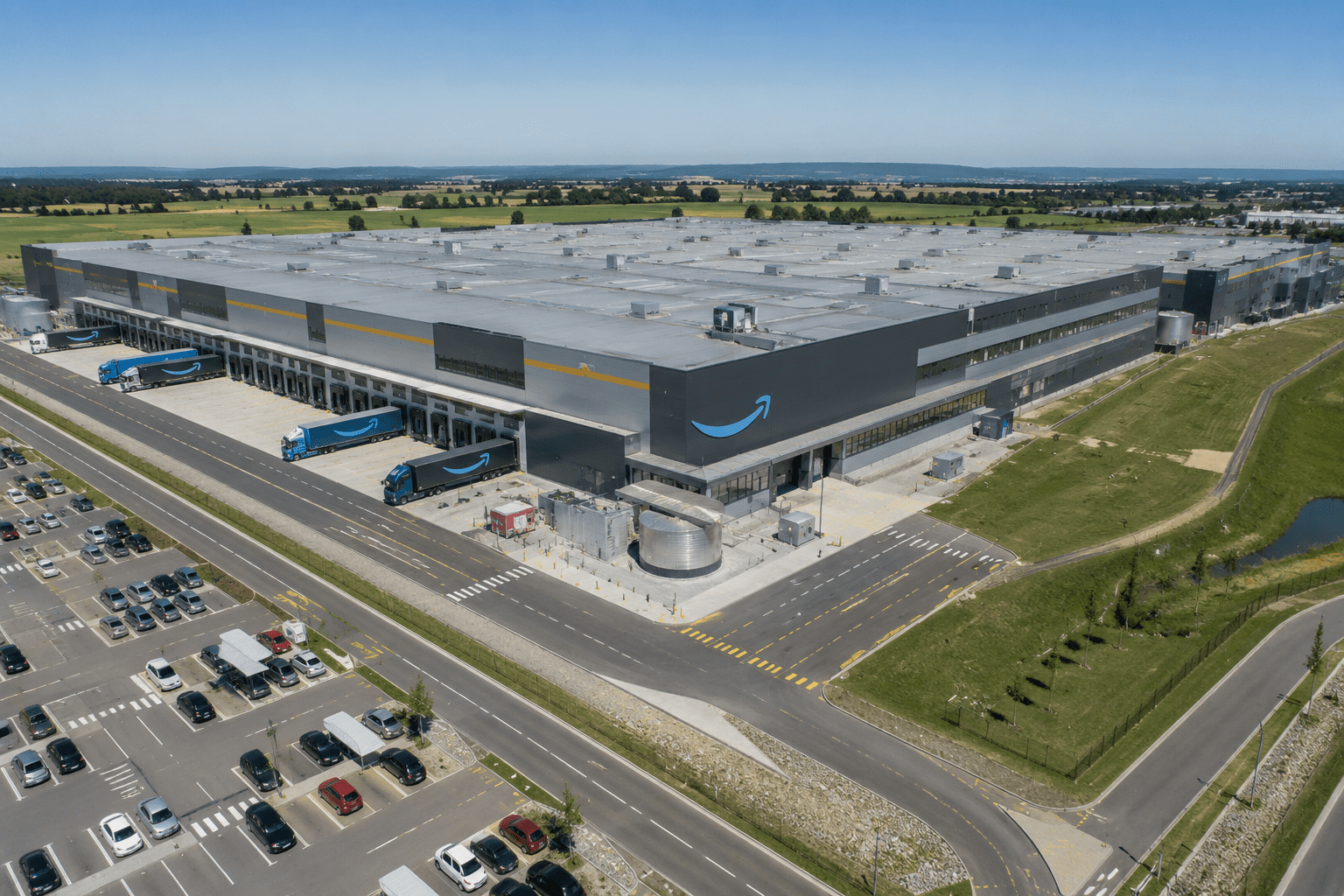
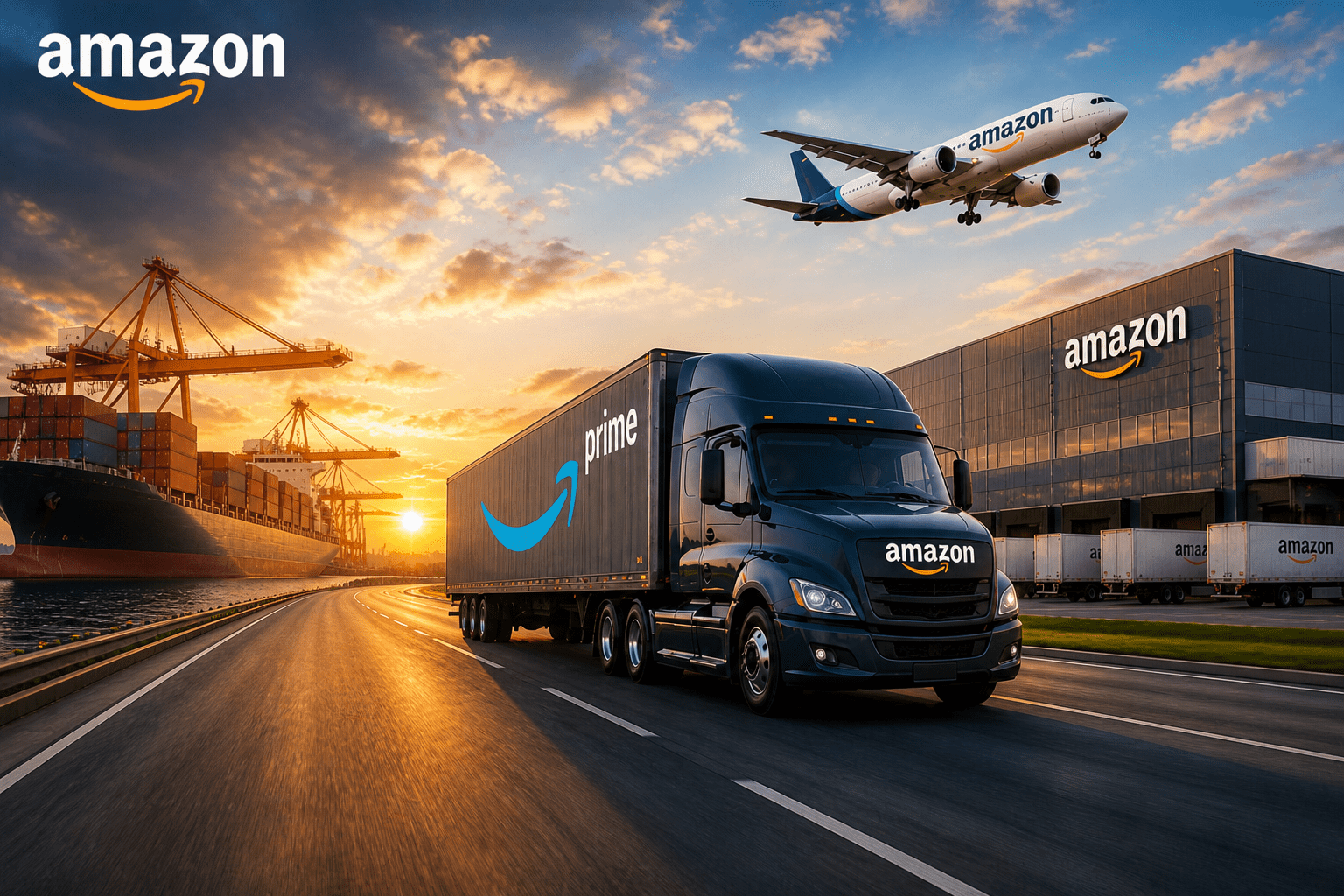
Amazon’s logistics network, built over nearly three decades, includes cargo planes, transportation fleets, fulfillment centers, and last-mile delivery systems. The company has now opened this infrastructure to external businesses, positioning itself as a comprehensive supply chain solutions provider.
“Amazon is bringing the infrastructure, intelligence, and scale of its supply chain services—proven over decades—to businesses everywhere,” said Peter Larsen, Vice President of Amazon Supply Chain Services.
The move reflects a broader strategy similar to Amazon Web Services (AWS), where the company transformed internal technology into a globally dominant service offering.
What Amazon Supply Chain Services Offers
Amazon Supply Chain Services provides an integrated platform that combines multiple logistics functions into a single system. Businesses can manage operations such as freight transportation, inventory storage, fulfillment, and delivery through one interface.
Key services include:
- Freight transportation via air, sea, rail, and road
- Inventory storage and distribution across fulfillment centers
- Multi-channel order fulfillment
- Parcel delivery with end-to-end tracking
The platform is designed to simplify complex supply chains by reducing reliance on multiple vendors.
Built on Existing Seller Infrastructure
Amazon’s logistics capabilities have already been tested at scale through its seller ecosystem. Since the launch of Fulfillment by Amazon (FBA) in 2006, independent sellers have shipped more than 80 billion units using the company’s infrastructure.
Currently, sellers move approximately 5 billion products annually through Amazon’s logistics network, demonstrating its capacity to handle global demand.
Over the past three years, Amazon has expanded its logistics services beyond its marketplace, supporting hundreds of thousands of sellers across third-party channels.
Major Companies Among Early Adopters
Several global brands have already started using Amazon Supply Chain Services:
- Procter & Gamble is using Amazon’s freight services to transport materials and finished goods
- 3M is leveraging logistics solutions for global distribution
- Lands’ End is using Amazon’s network for inventory management across sales channels
- American Eagle Outfitters is utilizing Amazon’s delivery network for direct-to-consumer shipping
These early use cases highlight the platform’s applicability across manufacturing, retail, and distribution sectors.
Integrated Supply Chain Model
Amazon’s approach differs from traditional logistics providers by offering a fully integrated system. Instead of managing separate vendors for transportation, warehousing, and delivery, businesses can use a single platform to oversee the entire process.
The system includes advanced forecasting tools, unified inventory management, and real-time tracking, enabling businesses to improve efficiency and reduce operational complexity.
Industry Implications
The launch of ASCS positions Amazon as a direct competitor to established logistics providers such as DHL, FedEx, and UPS. Analysts suggest that Amazon’s scale and technology-driven approach could reshape the logistics industry by increasing competition and driving innovation.
The service also lowers barriers for small and mid-sized businesses, giving them access to infrastructure that was previously available only to large enterprises.
Access and Availability
Amazon Supply Chain Services is now available for businesses to explore and adopt. Companies can access a centralized platform to select logistics services based on their operational needs and scale.
About Amazon
Amazon is a global technology and eCommerce company known for its online marketplace, cloud computing services (AWS), and logistics network. The company continues to expand its service offerings across industries, including logistics, advertising, and enterprise solutions.
Industry Impact and Future Outlook
The launch of ASCS signals a significant shift in the logistics industry. By opening its supply chain network, Amazon is entering direct competition with traditional logistics providers such as DHL, FedEx, and UPS.
Industry experts believe this move could reshape global supply chains by:
- Increasing competition in logistics services
- Driving innovation in supply chain technology
- Lowering costs through integrated systems
- Expanding access to advanced logistics for smaller businesses
Final Thoughts
Amazon’s launch of Supply Chain Services represents a major evolution in its business model. By turning its internal logistics capabilities into a service offering, Amazon is once again following a strategy similar to AWS—leveraging internal expertise to create a new global business segment.