

Home » Amazon Scaling & Growth Strategy
Scaling on Amazon is no longer about running more ads or increasing daily budgets. With rising CPCs, intensified competition, and tightening margins, sustainable growth now demands a strategic, data-driven Amazon performance marketing framework.
At EcomRanker, we help Amazon sellers move from plateaued performance to predictable, profitable scale through advanced Amazon advertising strategies built on search intent intelligence, keyword lifecycle management, conversion optimization, and long-term organic growth.
This page outlines a complete Amazon growth blueprint for sellers looking to implement the best Amazon ads strategy to scale revenue without compromising profitability.
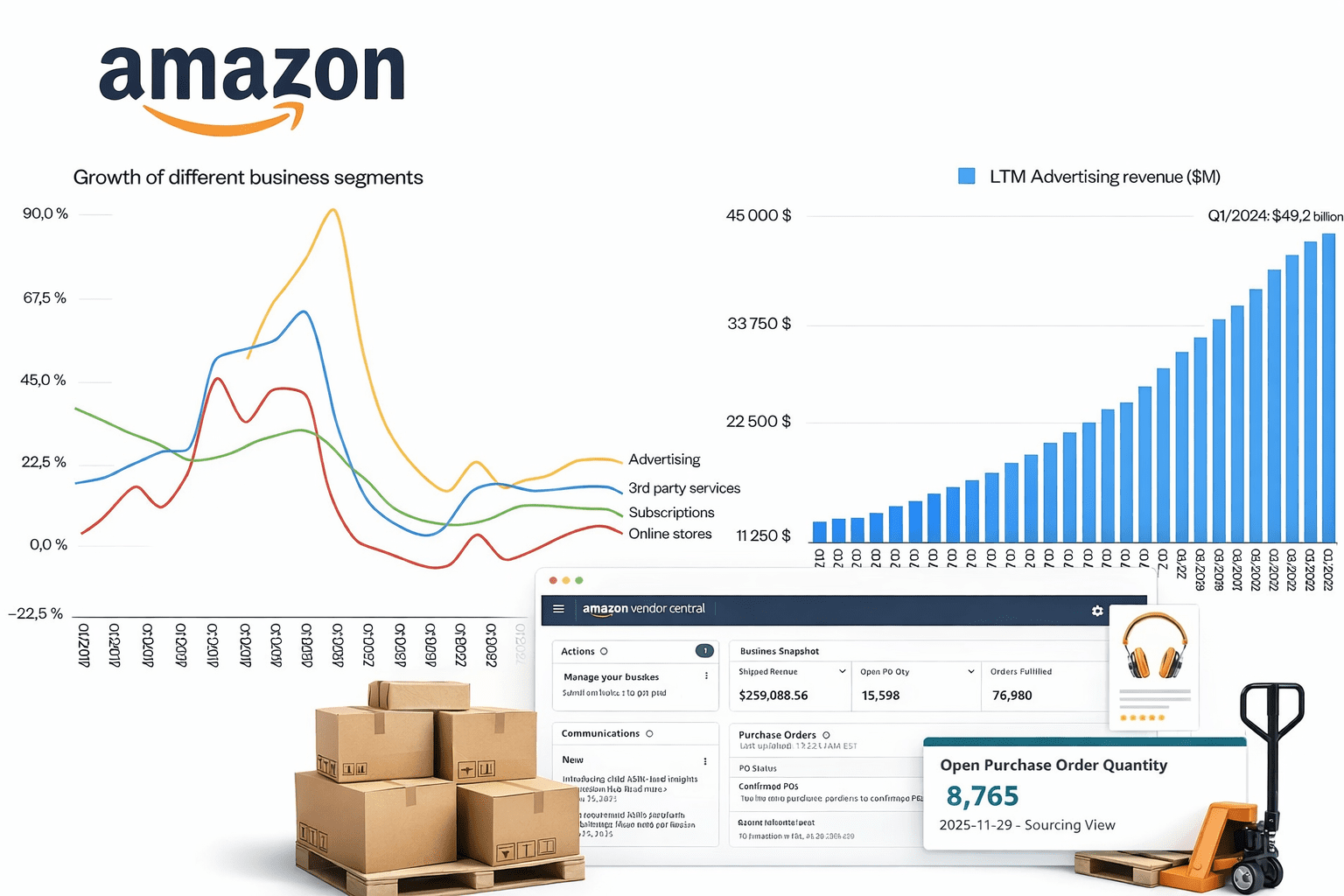
Many sellers believe scaling on Amazon simply means:
Increasing ad spend
Launching more Sponsored Product campaigns
Targeting a higher volume of keywords
In reality, most Amazon accounts fail to scale because growth is pursued without structural alignment between advertising, listings, conversion rate optimization, and inventory planning.
True Amazon scaling is defined by:
Stable, predictable sales velocity
Controlled ACoS with continuously improving TACoS
Advertising that strengthens organic rankings instead of replacing them
Multiple SKUs growing without internal cannibalization
Advertising decisions driven by data—not assumptions
Scaling is not a tactic.
It is a system.
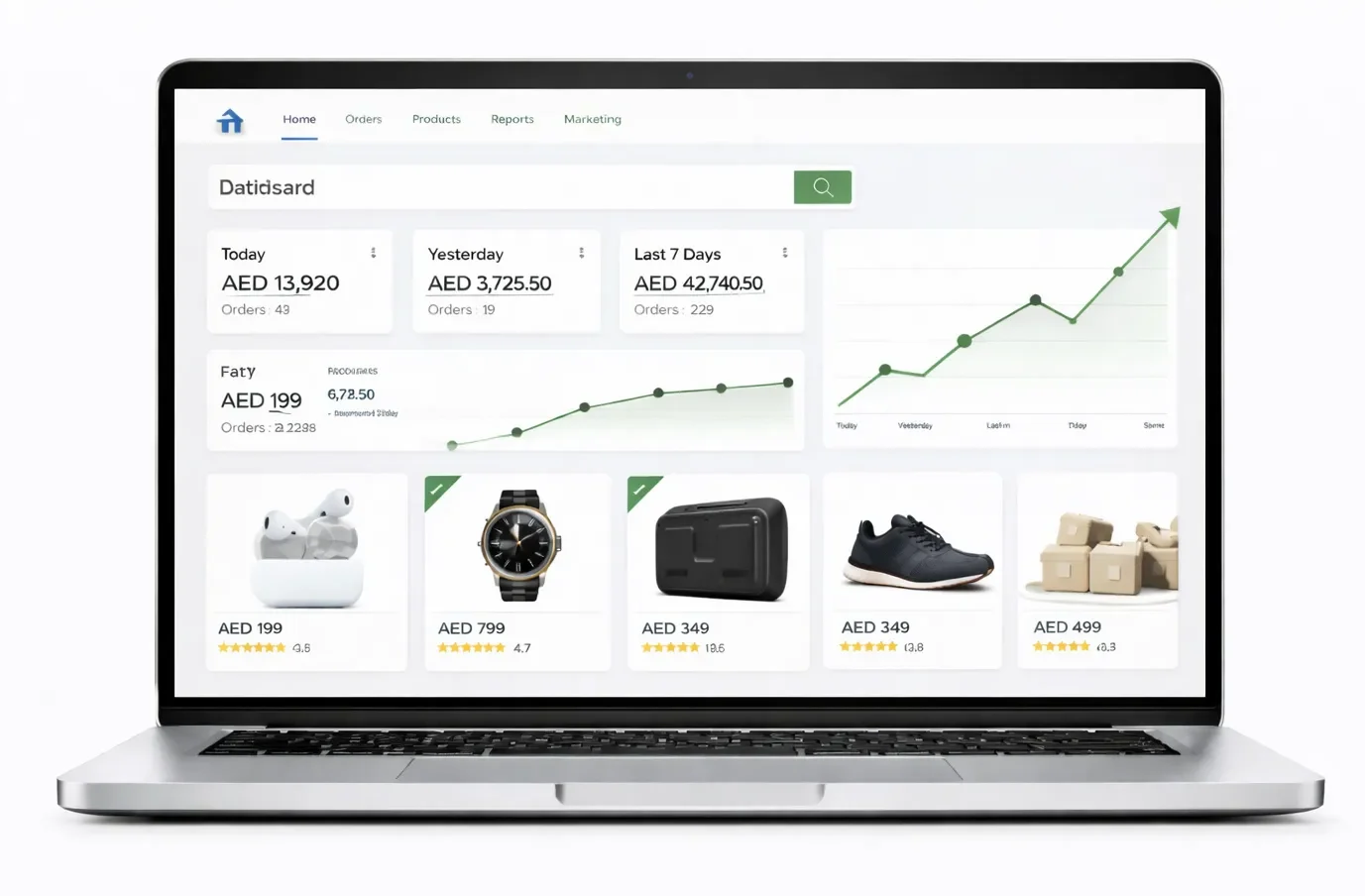
We do not treat Amazon advertising as a standalone activity.
Our approach integrates:
Keyword maturity mapping
Listing and creative performance optimization
Budget efficiency frameworks
Brand-level visibility and defense strategies
Inventory-aware scaling
Every strategy is executed within Amazon’s ecosystem using Amazon Ads, Brand Analytics, Search Query Performance reports, and business-level performance data.
Every Amazon search reflects a stage of buyer awareness and readiness.
Successful Amazon advertising strategies align campaigns to these intent layers instead of treating all keywords the same.
Examples:
best protein shaker bottle
wireless earbuds for workouts
office chair for back pain
These searches reflect exploration and discovery, rather than immediate brand loyalty.
Examples:
stainless steel protein shaker bottle
noise cancelling wireless earbuds
ergonomic office chair adjustable arms
These searches indicate active evaluation and comparison by shoppers.
Examples:
Brand X protein shaker bottle
buy wireless earbuds Brand Y
office chair Model Z
These searches signal high purchase readiness.
Most Amazon sellers over-invest in this final stage and overlook the scalable volume available in earlier intent stages.
Instead of funnel labels, EcomRanker structures campaigns based on keyword intent and lifecycle position.
Objective: Capture high-volume search demand and expand visibility
Channels Used:
Sponsored Products (Auto & Broad)
Sponsored Brands Video for category-level keywords
Sponsored Display with interest-based targeting
Key Focus Areas:
Impression share growth
Search term discovery
Controlled CPCs
Data collection to support future scaling
These campaigns feed the entire growth system.
Objective: Win comparison-driven shoppers
Channels Used:
Sponsored Products (Phrase match)
Sponsored Brands product collections
Sponsored Display with product targeting
Focus Areas:
Feature-based keywords
Use-case searches
Competitor ASIN targeting
Conversion-focused creatives
These campaigns separate brands that scale from brands that only spend.
Objective: Maximize efficiency and protect brand equity
Channels Used:
Sponsored Products (Exact match)
Sponsored Brands for brand defense
Sponsored Display remarketing
Key Priorities:
Lowest possible ACoS
Highest ROAS
Brand term ownership
Repeat purchase capture
This layer ensures profitability as scale increases.
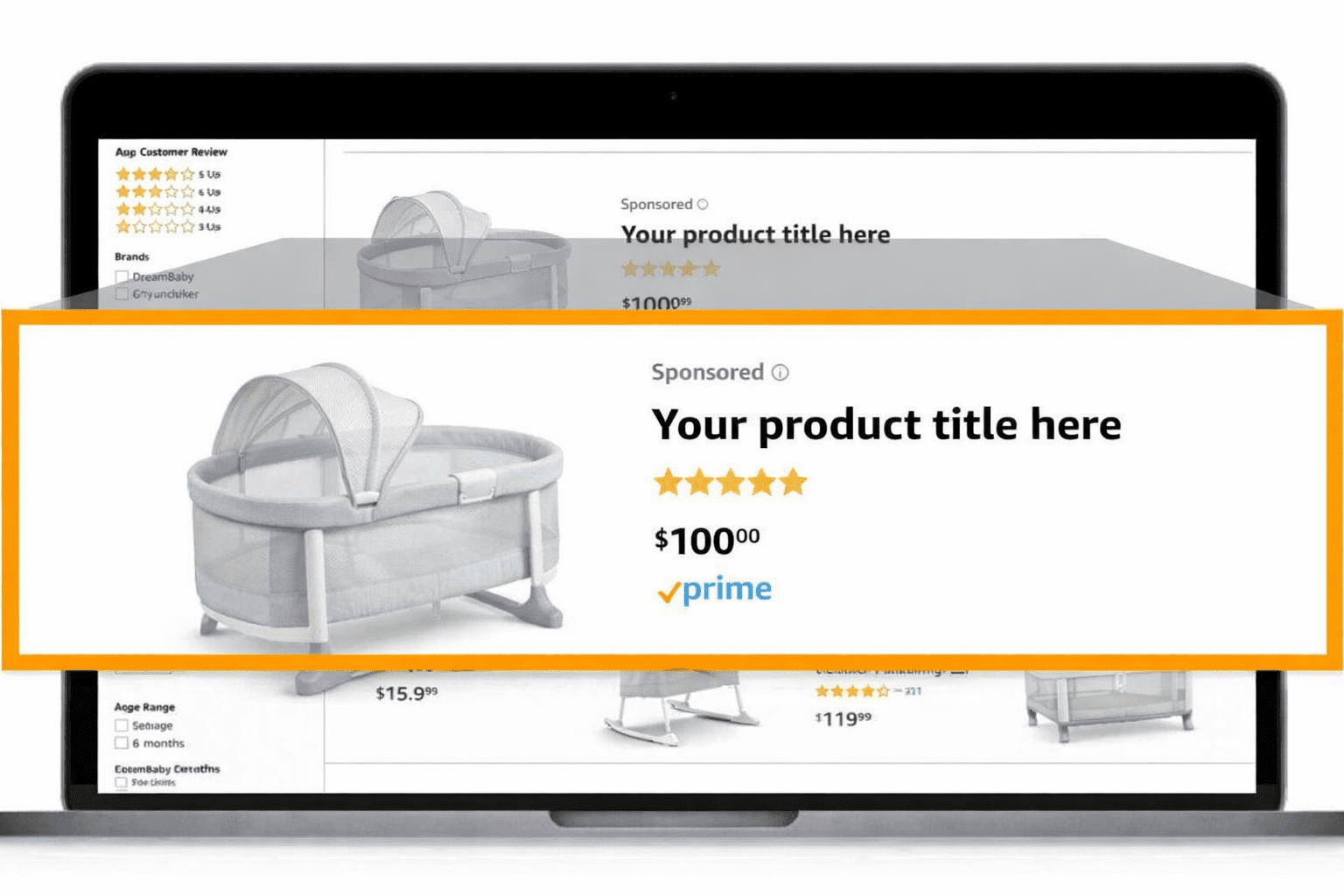
Sponsored Products remain the backbone of Amazon advertising.
How We Scale Sponsored Products Without Inflating Costs
Auto campaigns used strictly for keyword and search term mining
Search term harvesting guided by proven conversion signals
Match-type isolation to maintain precise bid control
Keyword segmentation based on performance stability
Placement optimization between Top of Search and Product Pages
We clearly separate:
Growth-driving keywords
Profit-driving keywords
Defensive keywords
This structure prevents budget dilution and keeps performance stable and predictable.
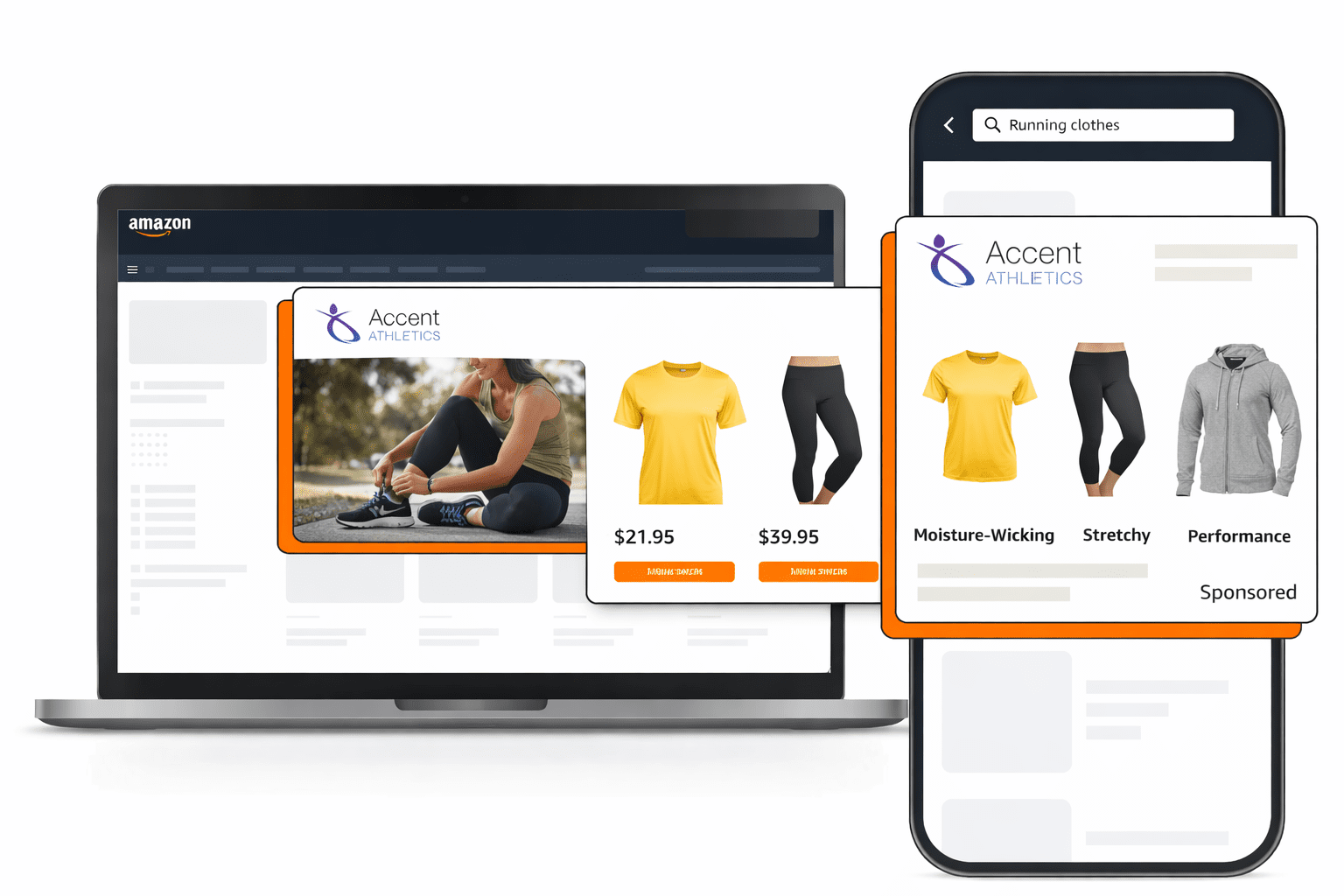
Sponsored Brands are essential for sellers aiming to scale beyond single-SKU growth.
Key Sponsored Brands Use Cases
Category keyword domination
Video-first placements for mobile traffic
Competitor brand interception
Brand Store traffic control
We optimize:
CTR through structured creative testing
Headline-to-keyword alignment
Brand Store navigation flow
Product sequencing for upsell and cross-sell
Sponsored Brands are where brand building and performance intersect.
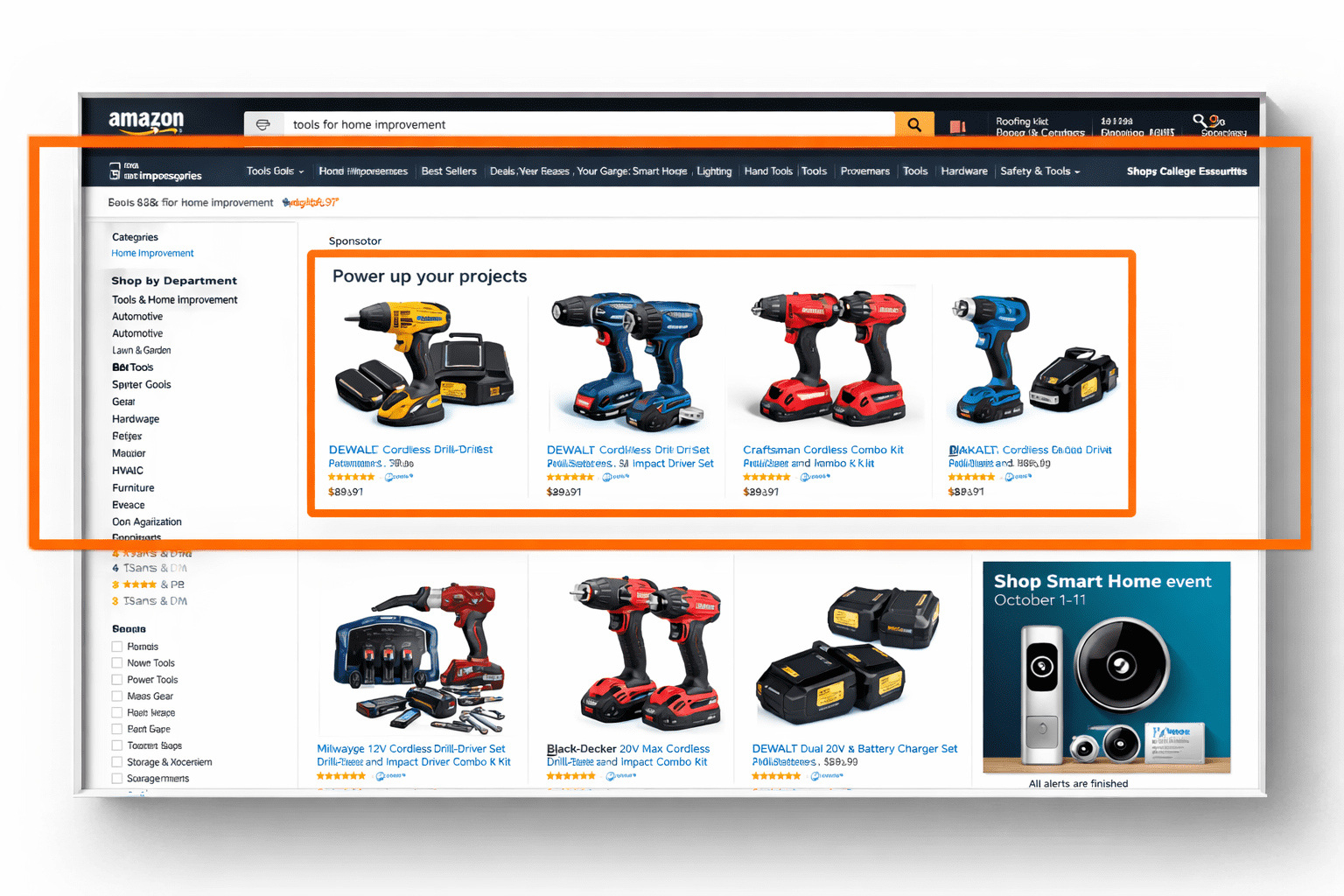
Sponsored Display unlocks growth opportunities that Sponsored Products alone cannot.
High-Impact Sponsored Display Applications
Product-view remarketing
Purchase-based remarketing
Cross-ASIN promotions
Competitor product targeting
When executed correctly, Sponsored Display:
Improves overall conversion rates
Lowers blended ACoS
Increases customer lifetime value
One of the biggest concerns for Amazon sellers is increasing ad spend without losing control.
Our approach:
Fix conversion rate before increasing spend
Scale only stable, consistently performing campaigns
Reallocate existing budget instead of blindly adding spend
Use performance bands to manage volatility
Monitor TACoS, not just ACoS
Budget scaling is treated as capital allocation—not guesswork.
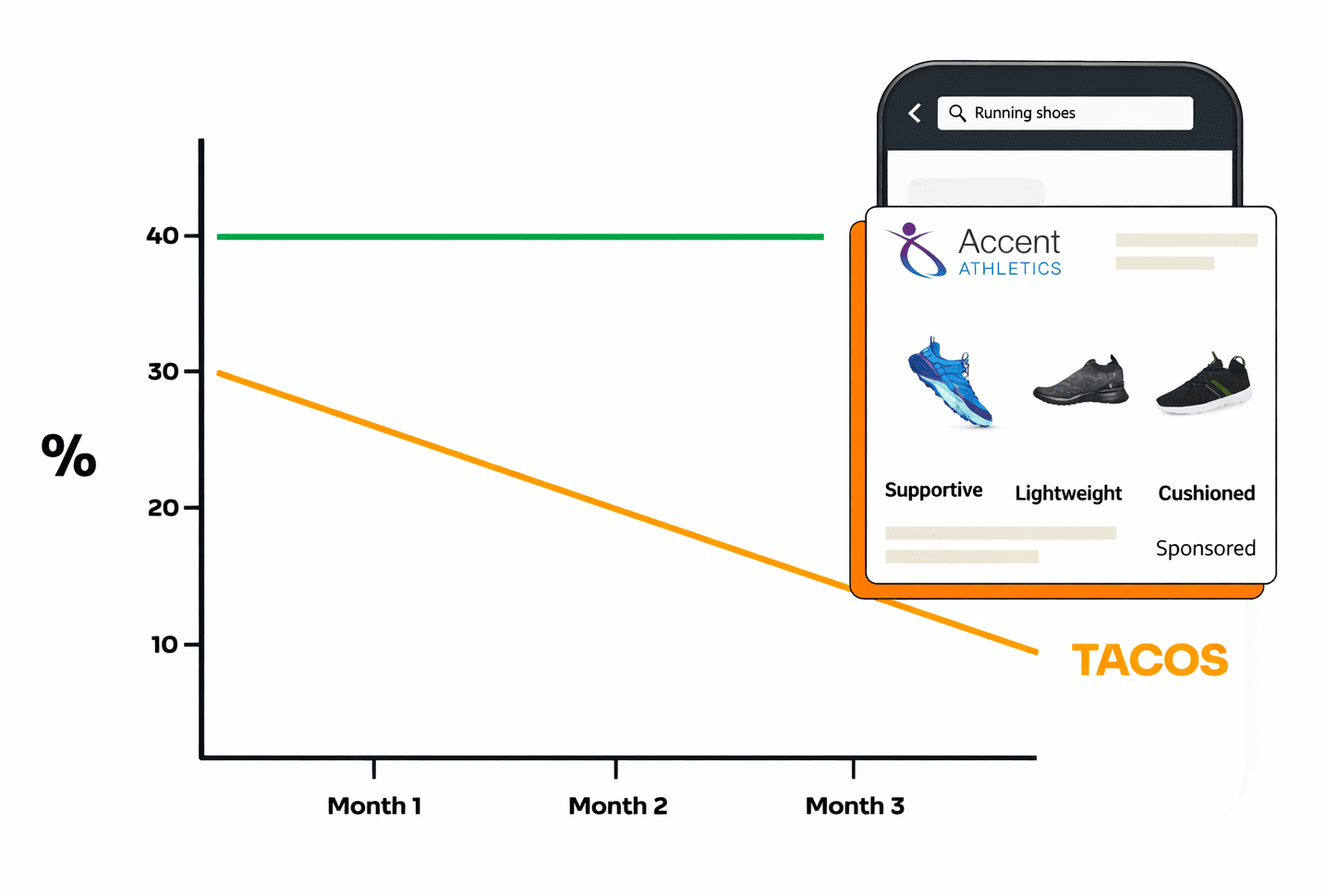
Many sellers focus only on ACoS and unintentionally undermine long-term growth.
ACoS measures advertising efficiency
TACoS measures overall business sustainability
Our strategy ensures:
Advertising supports organic ranking growth
Organic sales increase steadily over time
Dependence on ads decreases as scale improves
This is how brands scale without becoming ad-dependent.
Ads cannot scale if listings do not convert.
Assets We Optimize for Performance Marketing
Image sequencing psychology
Mobile-first layouts
Video integration
An improved conversion rate reduces CPC pressure and unlocks scalable growth.
Scaling ads without inventory planning leads to lost rankings and wasted spend.
We align advertising growth with:
Inventory forecasting
FBA restock limits
Supplier lead times
Seasonality trends
Scaling decisions are made with full inventory visibility, not in isolation.
Here are one-line descriptions for each point, keeping the meaning intact and sounding professional and premium:
Amazon sellers doing ₹40L+ / $50k+ monthly revenue – Established sellers ready to scale beyond early growth stages.
Brands facing rising CPCs and shrinking margins – Businesses needing smarter ad efficiency and cost control.
Sellers launching multiple SKUs – Brands expanding portfolios without cannibalizing performance.
Aggregator-backed brands – Data-driven brands focused on scalable, predictable growth.
DTC brands expanding to Amazon – Direct-to-consumer brands entering Amazon with a performance-first approach.
Sellers preparing for acquisition or exit – Businesses optimizing metrics to maximize valuation and attractiveness.
What Differentiates Us:
Deep keyword and search intent modeling
Conversion-first advertising and scaling
Long-term alignment with organic growth
Transparent reporting and strategic clarity
We don’t chase short-term spikes.
We build scalable Amazon businesses.
If your Amazon ads feel capped, unstable, or increasingly expensive, the problem isn’t your budget—it’s your growth architecture.
At Ecom Ranker, we design Amazon scaling systems that deliver growth today and resilience tomorrow.
Amazon performance marketing is a data-driven advertising approach that focuses on measurable outcomes such as revenue growth, ACoS, TACoS, conversion rate, and organic ranking—rather than just ad spend or impressions.
Scaling on Amazon today requires strategic alignment between ads, listings, conversion rate, and inventory planning due to rising CPCs, increased competition, and tighter margins. Simply increasing ad spend is no longer effective.
Sustainable Amazon scaling means achieving predictable sales growth, controlled ACoS, improving TACoS, stronger organic rankings, and multi-SKU expansion without cannibalization.
Most sellers fail to scale because they increase spend without fixing conversion rates, aligning keyword intent, or planning inventory—leading to wasted spend and unstable performance.
ACoS measures advertising efficiency, while TACoS measures overall business sustainability by factoring in both ad-driven and organic sales. TACoS is the key metric for long-term Amazon growth.
Search intent determines buyer readiness. Aligning campaigns with discovery, comparison, and purchase intent keywords allows sellers to scale efficiently instead of over-investing in brand-only searches.
Sponsored Products drive keyword-level performance, Sponsored Brands build brand visibility and multi-SKU growth, and Sponsored Display supports remarketing and competitor targeting—together forming a full-funnel Amazon ad strategy.
Higher conversion rates reduce CPC pressure, improve ROAS, and allow higher ad spend without losing profitability—making conversion optimization a key scaling multiplier.
Scaling ads without inventory visibility can cause stockouts, lost rankings, and wasted spend. Inventory-aware scaling aligns advertising growth with restock limits, lead times, and seasonality.
Advanced Amazon scaling strategies are ideal for sellers doing ₹40L+ / $50k+ monthly revenue, brands launching multiple SKUs, DTC brands expanding to Amazon, and sellers preparing for acquisition or exit.
Intent-based structuring separates growth, profit, and defensive keywords, preventing budget dilution and allowing precise bid control—resulting in more predictable and profitable scaling.
EcomRanker combines performance marketing expertise, deep keyword intent modeling, conversion-first scaling, long-term organic alignment, and transparent reporting to build scalable Amazon businesses—not short-term spikes.